The case for buying video games on discs and cartridges has narrowed as the industry moves deeper into the digital era. For many players, a purchase now begins and ends inside an online storefront, where a game can be downloaded, updated and launched without a trip to a retailer or a plastic case on a shelf.
The shift has been years in the making. Faster home internet, larger console storage, cloud saves and regular software patches have made digital ownership more practical than it once was. At the same time, console makers and publishers have leaned into digital storefronts because they offer direct sales, fewer manufacturing costs and a closer relationship with customers.
Convenience is driving the change
Digital games solve several everyday problems for players. They cannot be scratched, misplaced or left behind. They can be preloaded before release, shared across compatible devices through account systems and accessed without swapping discs. For players who buy mostly new releases or play online, the convenience often outweighs the appeal of a boxed copy.
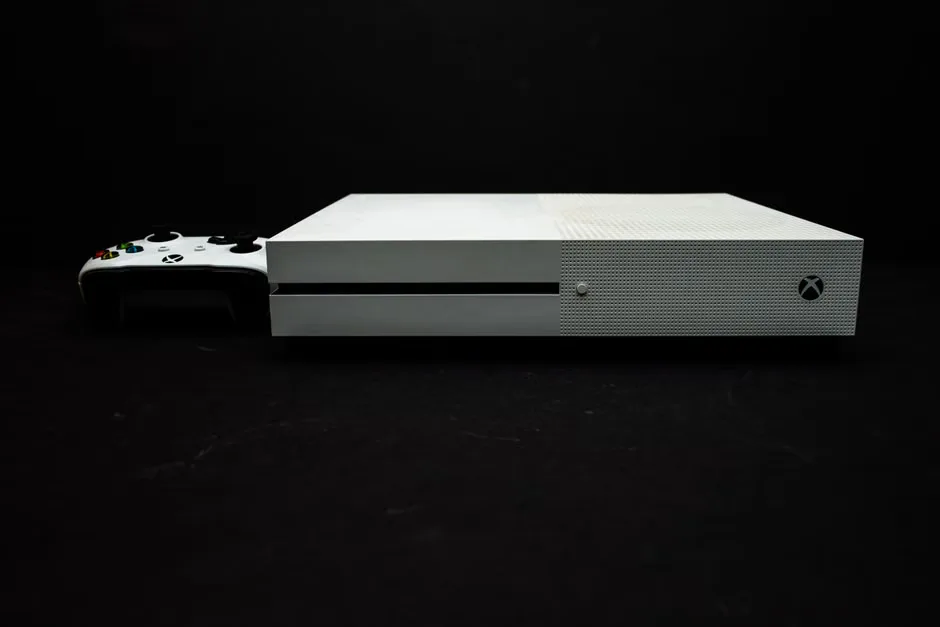
Modern consoles also reflect that reality. Disc-free hardware options have become a standard part of the market, and many physical releases still require large downloads before play. In some cases, the disc functions less like a complete product and more like a license key that starts an installation and update process.
Publishers benefit from a digital-first market
For publishers, digital sales can be more efficient. They reduce packaging, shipping and inventory risks while keeping games available long after a physical print run might have ended. Digital storefronts also make discounts easier to deploy, helping older games find new audiences through seasonal sales and bundles.
Subscriptions and premium online services have accelerated the trend. Libraries offered through monthly plans have encouraged some players to think less about owning individual boxes and more about maintaining access to a rotating catalog. That model is familiar from music, film and television, and gaming is increasingly following a similar path.
Ownership concerns have not disappeared
The move away from physical media is not without trade-offs. A disc or cartridge can be resold, lent to a friend or kept as part of a collection. Digital purchases are usually tied to accounts and storefront policies, limiting what buyers can do with them. If a store closes, a license changes or an account is lost, access can become complicated.
Preservation advocates also warn that a digital-only future could make it harder to maintain older games, especially those dependent on servers, patches or rights agreements. Even so, the market’s direction is clear: Physical games still matter to collectors and some budget-conscious buyers, but for a growing share of players, digital access has become the default way to play.
Key questions
- Are physical video games still useful?
- Yes. Physical games remain useful for collectors, resale buyers, gift purchases and players who prefer a tangible copy, though many releases still require online updates.
- Do digital games mean players fully own their purchases?
- Usually not in the same way as a disc or cartridge. Digital purchases are typically tied to an account and governed by storefront terms, which can affect transfer, resale and access.