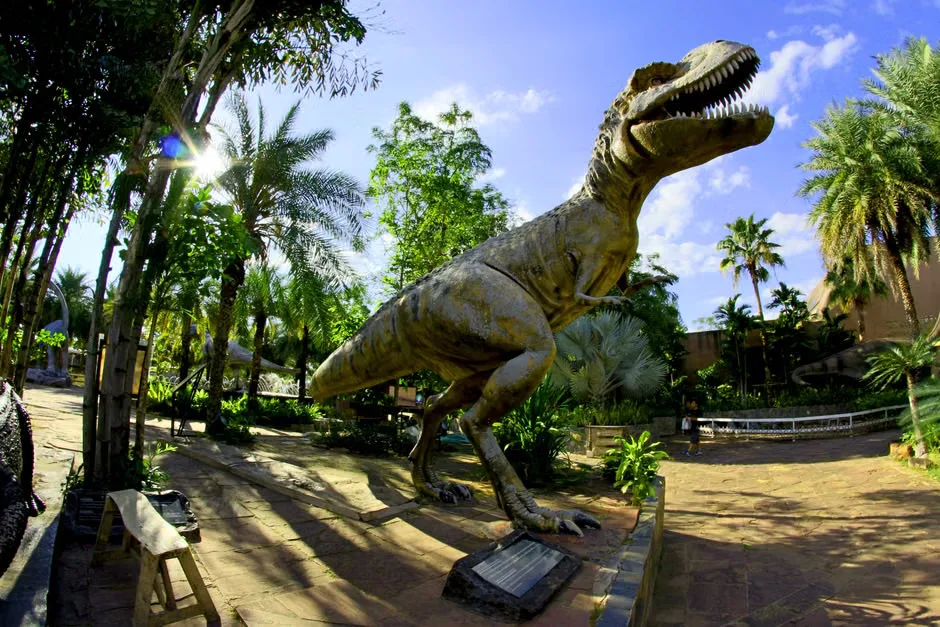
A newly identified dinosaur species from Thailand is drawing attention for an exceptionally long neck that researchers say was comparable to the length of a cricket pitch.
The plant-eating dinosaur has been named Uragasaurus kalasinensis and is believed to have lived about 150 million years ago, during the late Jurassic period. The name reflects its link to Kalasin, a province in northeastern Thailand known for fossil discoveries that have helped scientists better understand the region’s ancient ecosystems.
The discovery adds to a growing record of sauropod dinosaurs in Southeast Asia. Sauropods were large, herbivorous dinosaurs known for long necks, long tails and massive bodies. They included some of the largest land animals ever to live, though individual species varied widely in size and shape.
A window into Jurassic Thailand
Scientists use fossil bones to identify new species by comparing their size, structure and distinctive features with previously known dinosaurs. Even partial remains can be significant if they preserve anatomical traits that set an animal apart. In this case, researchers concluded that the fossils represented a species not previously recognized.
The reported neck length is especially striking because a standard cricket pitch is 22 yards, or just over 20 meters, long. Long necks likely helped sauropods reach vegetation without moving their heavy bodies as often, allowing them to feed across a broad area. Such adaptations may have helped these dinosaurs thrive in landscapes where plants were distributed unevenly.
Thailand has become an important site for dinosaur research, with fossil beds in the northeast yielding remains of herbivorous and carnivorous species. These finds are helping paleontologists fill gaps in the fossil record between better-known dinosaur regions, including China, Mongolia and North America.
The identification of Uragasaurus kalasinensis also underscores how new species can emerge from continued fieldwork and closer study of fossils already collected. Paleontology often advances slowly, as bones must be prepared, measured and compared with specimens from other parts of the world.
Why the discovery matters
Researchers say discoveries like this can help reconstruct ancient climates, habitats and migration patterns. About 150 million years ago, the world looked very different from today, with continents arranged in other positions and warm conditions supporting diverse plant life. Large herbivores such as sauropods would have played major roles in those ecosystems.
For Thailand, the find may also strengthen public interest in science and fossil conservation. Dinosaur discoveries often draw attention to local museums and geological sites, creating opportunities for education and tourism while emphasizing the need to protect fossil-bearing areas.
Further study could clarify where Uragasaurus kalasinensis fits in the sauropod family tree and how closely it was related to long-necked dinosaurs found elsewhere in Asia. As more fossils are uncovered, scientists may gain a clearer picture of how these giants lived, fed and evolved in what is now Southeast Asia.
Key questions
- What is Uragasaurus kalasinensis?
- Uragasaurus kalasinensis is a newly identified plant-eating dinosaur species from Thailand that is believed to have lived about 150 million years ago.
- Why is the Thailand dinosaur discovery notable?
- The discovery is notable because the dinosaur reportedly had an extremely long neck and adds to evidence that Southeast Asia supported diverse dinosaur life during the Jurassic period.