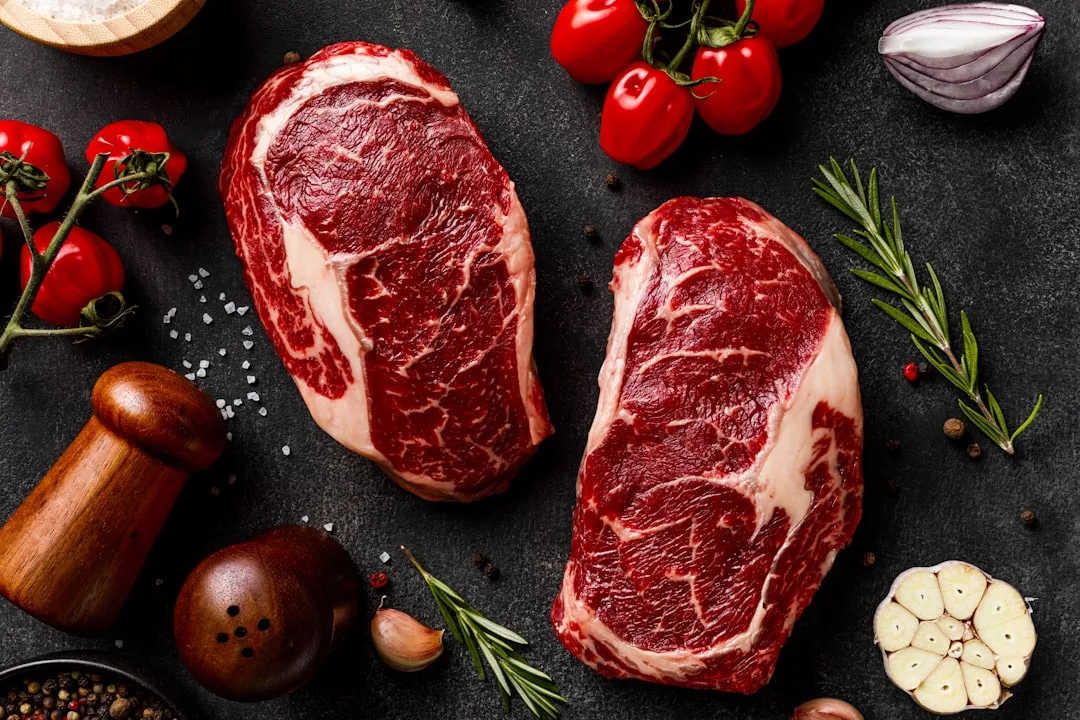
Corte Argentino USA has initiated a voluntary recall of approximately 29,600 pounds of raw beef products after discovering the items entered the United States without the mandatory import reinspection required by federal regulations. The recall was announced this week and affects raw beef intended for use in further processing, not direct consumer sale. The products were imported from Argentina and distributed to facilities in multiple states for additional handling.
According to the USDA’s Food Safety and Inspection Service (FSIS), the products bypassed the required reinspection step at the port of entry, which is designed to verify that imported meat meets U.S. safety and labeling standards. This procedure is a critical safeguard in the nation’s food import system. The FSIS confirmed it is working with the company to ensure all affected product is traced and removed from commerce. No adverse health reports have been associated with the recalled beef to date.
We take full responsibility for ensuring our imports comply with all U.S. food safety requirements, said a spokesperson for Corte Argentino USA. Upon identifying the lapse in the import reinspection process, we immediately initiated this voluntary recall and are cooperating fully with FSIS to correct the issue and prevent recurrence.
The recalled products include various cuts of raw beef packaged in cryovac-sealed containers, bearing establishment number Est. 562 inside the USDA mark of inspection. These items were produced between early March and mid-April 2024 and shipped to distribution centers in California, Illinois, and Texas. FSIS advises any facilities that received the product to refrain from further use and contact the company for disposal instructions.
Import reinspection is a standard procedure for meat and poultry entering the U.S., designed to catch documentation errors, labeling issues, or safety concerns that may have arisen during transit. While most imports comply without incident, lapses like this one underscore the importance of vigilance in the global food supply chain. The incident may prompt renewed scrutiny of import verification protocols at federal ports of entry.
Import Oversight and Food Safety Protocols Under Review
This recall adds to a series of recent FSIS actions involving imported meat products that entered the U.S. with incomplete or missing documentation. In 2023, over 120,000 pounds of imported beef and pork were recalled for similar reinspection failures. Food safety experts note that while the U.S. maintains one of the most rigorous import inspection systems globally, human error and supply chain complexity can create vulnerabilities.
The incident highlights the shared responsibility between foreign exporters, U.S. importers, and federal regulators in maintaining food safety. Corte Argentino USA, a subsidiary of Argentina-based Corte Argentino S.A., supplies beef to various industrial clients. The company states it has since retrained its logistics team on import compliance procedures and is implementing additional internal checks to ensure future shipments meet all regulatory requirements before entry.
Key questions
- Why was the beef recalled by Corte Argentino USA?
- The beef was recalled because it entered the United States without undergoing the required import reinspection by USDA’s Food Safety and Inspection Service. This step is mandatory to ensure imported meat meets U.S. safety, labeling, and documentation standards. The company initiated a voluntary recall upon discovering the lapse in compliance.
- Have any illnesses been linked to the recalled beef products?
- As of the recall announcement, no illnesses have been reported in connection with the recalled raw beef. The FSIS states the recall is a precautionary measure based on a procedural violation, not contamination. Consumers are not believed to be at risk, as the product was intended for further processing, not direct retail sale.