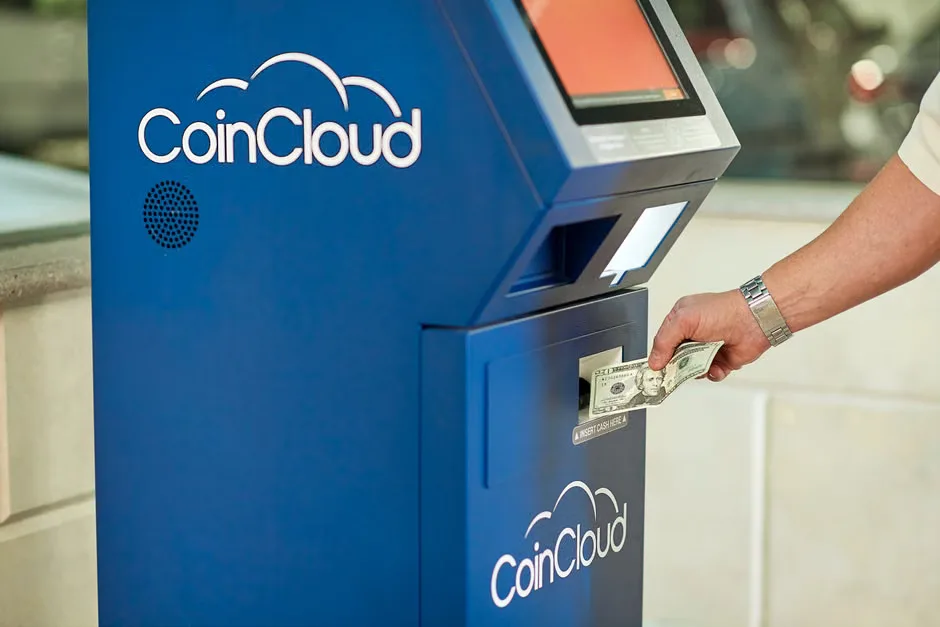
MoneyGram International has launched a new service enabling users of Solana-based wallets to convert digital assets into local currency through its global network of over 350,000 agent locations. The integration, announced this week, allows seamless crypto-to-cash transitions without requiring users to first move funds to traditional bank accounts.
According to MoneyGram, the service leverages Solana’s high-speed, low-cost blockchain infrastructure to facilitate near-instant settlements. Users can initiate a transaction from a compatible wallet, select a payout location, and receive cash in local currency within minutes. The company did not disclose transaction volume estimates but noted strong early adoption in regions with high remittance flows.
This integration bridges the gap between digital asset holders and everyday cash needs, particularly in underserved markets, said Alex Holmes, Chairman and CEO of MoneyGram. By combining Solana’s efficiency with our global reach, we’re making crypto more usable for real-world transactions.
The move reflects a growing trend among financial infrastructure providers to embed blockchain capabilities into legacy payout systems. MoneyGram has previously experimented with blockchain-based settlements through partnerships with Stellar and Ripple, but this marks its first direct integration with a smart contract platform for consumer-facing crypto-to-cash services.
Analysts note that the service could reduce friction for crypto users in emerging economies where access to banking is limited but cash remains dominant. By avoiding bank intermediaries, the solution may lower costs and increase speed compared to traditional off-ramps.
MoneyGram’s Strategy in Digital Asset Infrastructure
MoneyGram’s expansion into crypto services is part of a broader strategy to modernize its cross-border payments platform. The company has invested in digital wallet capabilities and API-driven services to appeal to fintech partners and tech-savvy consumers. This Solana integration follows a 2022 pilot with the Stellar Development Foundation focused on stablecoin settlements.
The firm sees blockchain not as a replacement for its core network but as a complement that enhances accessibility and speed. By supporting multiple chains, MoneyGram aims to remain agile as user preferences evolve across different digital asset ecosystems.
Regulatory compliance remains a cornerstone of the service. All transactions adhere to Know Your Customer (KYC) and Anti-Money Laundering (AML) standards, with identity verification handled at the agent location during cash pickup. MoneyGram emphasized that no anonymous transactions are permitted under the new offering.
Looking ahead, MoneyGram plans to evaluate user feedback and transaction patterns to determine potential expansion to other blockchains. The company also intends to explore use cases beyond consumer remittances, including business payouts and emergency disbursements in collaboration with NGOs and government programs.
As crypto adoption grows globally, hybrid models that link digital wallets to physical cash networks may play an increasingly important role in financial inclusion. MoneyGram’s Solana service represents one of the most direct attempts yet to bridge that divide at scale.
Key questions