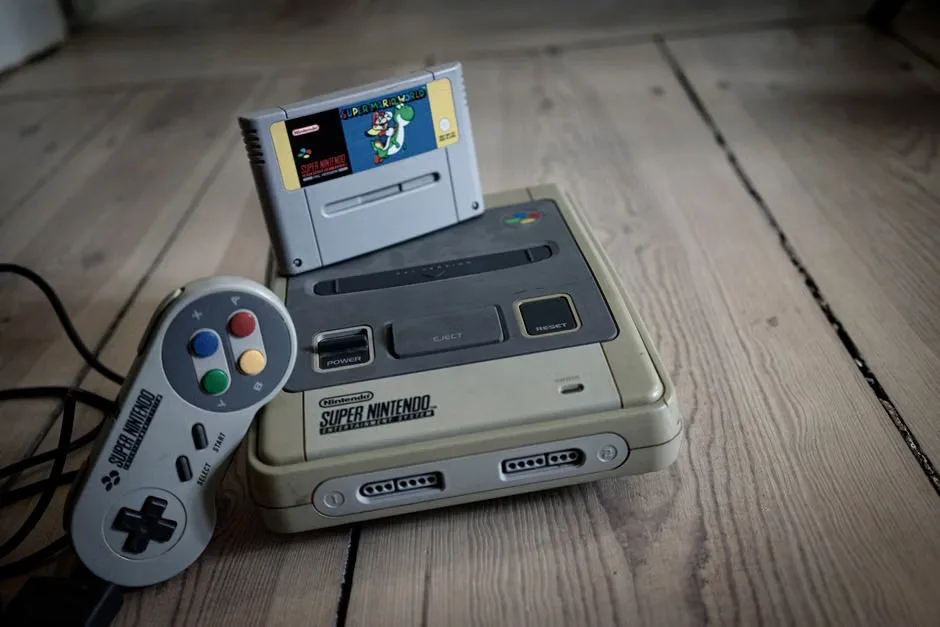
Publishers have increasingly turned to ports, remasters and re-releases to keep older games alive on modern hardware. But as more classic titles return, so do familiar complaints about price. A number of recent ports have launched at rates that many players consider steep, especially when the games involved are years old and the technical improvements are modest.
The issue is not simply that older games are being sold again. Many players welcome easier access to titles that were once locked to aging consoles or handheld systems. The tension comes when a port arrives with a near-premium price tag, limited new features and performance or presentation changes that do not always justify the cost.
That debate has surfaced around several high-profile releases, including Nintendo titles featuring Mario and collections tied to major brands such as Grand Theft Auto. In those cases, the value proposition often depends on what buyers expect. Some ports offer convenience, portability or compatibility with newer systems. Others promise visual touchups, updated controls or bundled content. But when those improvements feel thin, players often question why the asking price remains so high.
Nintendo has frequently faced scrutiny over the cost of rereleases, particularly when beloved games return with only minor adjustments. The company benefits from strong demand for its back catalog, and fans often pay for access to recognizable franchises. That market strength can support premium pricing even when a release is more preservation effort than full-scale remake.
Rockstar Games and its publishing partners have also been part of the conversation. Grand Theft Auto reissues and collections draw enormous interest because of the franchise's influence and reach. Yet high prices can intensify criticism if a port launches with technical shortcomings, visual inconsistencies or missing features that players remember from the original versions.
Outside those marquee examples, expensive ports span several genres and publishers. Role-playing games, action adventures and handheld classics have all reappeared on current platforms at prices that approach new-release territory. For collectors or newcomers, those ports may still be worthwhile. For longtime players who already own earlier versions, the value is less obvious.
Supporters of higher pricing argue that bringing older games to modern systems is not always simple. Rights issues, interface updates, emulator work, quality assurance testing and platform certification can all add costs. Even so, players tend to judge a port by what is on screen and how it plays, not by the complexity behind the scenes.
As publishers continue mining their archives, pricing will likely remain a central issue. Consumers have shown they will repurchase familiar games, but they have also become more vocal about what they expect in return. In the current market, a successful port needs more than nostalgia. It also needs to convince players that an old game on a new machine is worth the money.
Key questions
- What is a video game port?
- A video game port is a version of an existing game adapted to run on a different platform, such as moving a title from an older console to a newer system or from console to PC.
- Why do some older game ports cost so much?
- Publishers may price ports highly because of brand demand, added compatibility work, bundled content or limited competition, though players often expect meaningful upgrades at those prices.