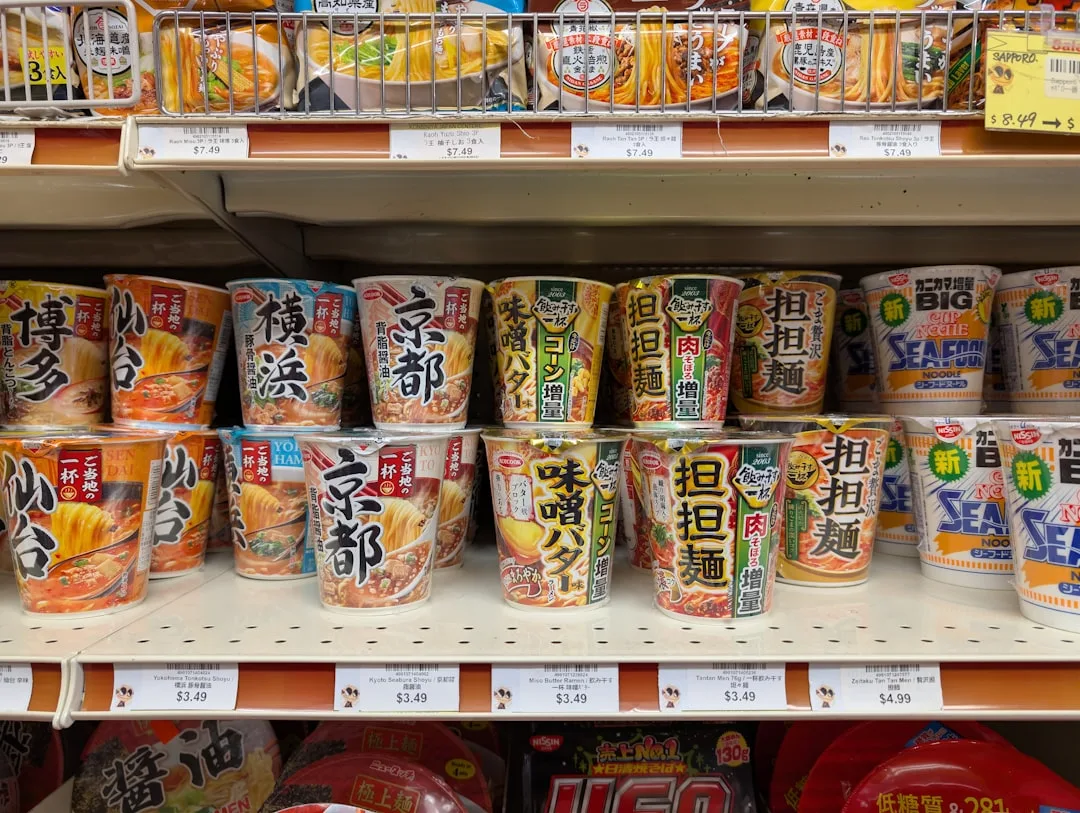
Instant cup noodles are getting a new twist as Nissin introduces a version designed to be made with cold water. The idea, highlighted in coverage from Kotaku, points to a different way to prepare a familiar pantry staple without relying on boiling water.
Nissin, best known globally for Cup Noodles and other instant meal products, has long shaped the convenience food market. Instant noodles remain one of the world’s most widely consumed packaged foods, with global demand reaching more than 120 billion servings in recent years, according to the World Instant Noodles Association.
Kotaku described Nissin as once again pushing into unusual territory with the product concept. While the source material did not provide technical details on ingredients, preparation time, or a wider launch plan, the premise suggests Nissin is adapting instant cup noodles for settings where hot water is inconvenient or unavailable.
Why Instant Cup Noodles Matter
The appeal is easy to understand. Traditional instant cup noodles are built around speed and simplicity, but they still depend on access to hot water. A cold-water version could open the door for commuters, campers, office workers, and travelers who want a quick meal with fewer setup steps.
It could also have practical value beyond convenience. Food products that work without heat can be useful during power outages, natural disasters, or emergency situations when kitchens and kettles are not available. That gives Nissin a possible angle not just in everyday snacking, but also in preparedness and portable meal planning.
There are still important questions about how the product performs in real use. Texture, flavor release, and rehydration speed all matter in instant noodles, and consumers are likely to compare the cold-water experience with the familiar hot version. If the product takes much longer to soften or tastes noticeably different, adoption may depend on whether the trade-off feels worth the added flexibility.
Nissin also faces the challenge of positioning. Instant cup noodles are already associated with low cost and ease, so a cold-water option must feel like a meaningful upgrade rather than a novelty. Packaging, flavor selection, and clear preparation guidance will likely shape whether shoppers see it as a smart innovation or simply an experiment.
What happens next will depend on how broadly Nissin chooses to roll out the concept and how consumers respond once the product reaches store shelves. A limited launch, regional test, or specialty release would let the company gauge demand before expanding into wider markets.
Nissin has a long history of experimenting within the instant noodle category. Since instant ramen and cup-based noodle meals became global staples, manufacturers have competed through new flavors, healthier formulations, premium lines, and preparation tweaks. A cold-water version fits that larger pattern by trying to solve a specific use-case rather than reinventing the product from scratch.
For now, the biggest takeaway is simple: instant cup noodles may no longer require heat to deliver on their core promise of speed and portability. If Nissin can make the cold-water format taste good and feel practical, it could carve out a fresh niche in one of the most crowded corners of convenience food.
Key questions
- What is different about Nissin's new instant cup noodles?
- The key difference is that the product is designed to be prepared with cold water instead of boiling water. That could make instant cup noodles more useful in travel, workplace, and emergency settings.
- Why could cold-water instant noodles matter to consumers?
- They could offer more flexibility when hot water is not available or convenient. The concept may appeal to people looking for portable meals that are easier to prepare in a wider range of situations.