A hotter and drier weather pattern is expected to take hold in the days ahead, bringing a more summerlike stretch to areas that have seen recent swings between mild conditions and scattered rain chances.
Forecasters are tracking a developing pattern that favors warmer temperatures, more sunshine and fewer organized rain systems. While conditions may vary by location, the broader trend points toward above-normal warmth and a noticeable drop in meaningful precipitation opportunities.
The shift is not unusual for this point in the season, but it could become more noticeable if the dry stretch persists. Afternoon highs are expected to climb, and repeated sunny days may quickly dry out topsoil, lawns and gardens. Humidity levels will help determine how uncomfortable the heat feels, but even dry heat can create concerns during prolonged outdoor work or recreation.
Rain chances remain limited
The main feature of the forecast is the lack of widespread rain. A few isolated showers or storms cannot be ruled out at times, especially if a weak boundary moves through or daytime heating is strong enough to trigger spotty activity. However, forecasters do not expect a broad, soaking system in the near term.
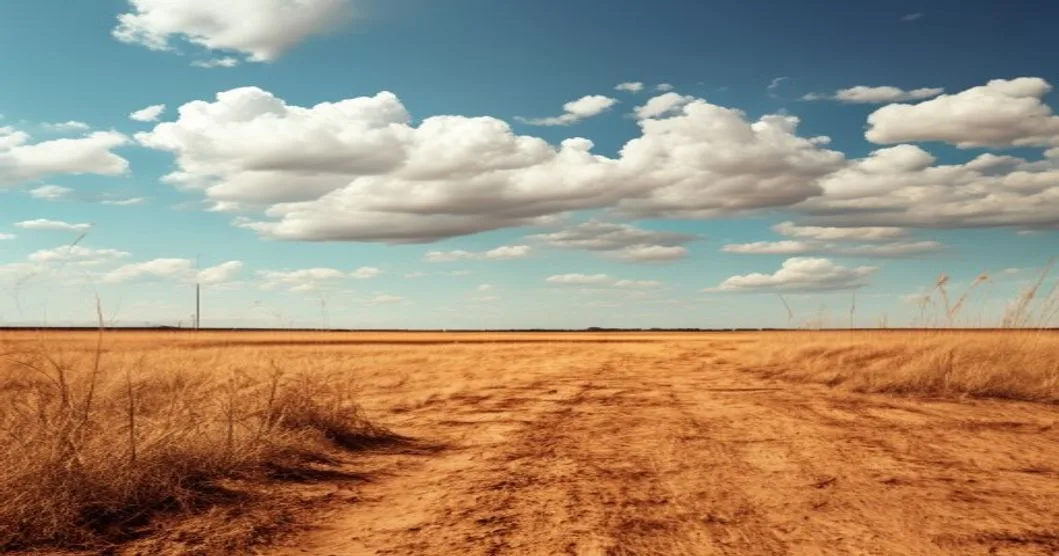
That means many communities could go several days with little or no measurable rainfall. For homeowners, that may mean more frequent watering for newly planted flowers, gardens and young trees. For farmers, the timing of the dry spell will matter, especially in areas where soil moisture is already uneven.
Dry weather can also elevate fire danger in grassy or brushy areas if winds increase and humidity drops. Local officials may issue reminders about outdoor burning rules if conditions worsen. Drivers should also watch for sun glare during the morning and evening commute as skies remain mostly clear.
Heat safety becomes part of the forecast
As temperatures trend higher, health officials typically advise people to take basic heat precautions. That includes drinking water regularly, taking breaks in shaded or air-conditioned places, and checking on older adults, young children and people with health conditions. Pets should have access to shade and fresh water, and should not be left in vehicles.
Outdoor workers, athletes and event organizers may need to adjust schedules if peak afternoon heat becomes more intense. Even without extreme temperatures, several consecutive warm days can add stress, particularly when overnight lows stay elevated and homes do not cool efficiently.
The forecast will depend on how long the dry pattern remains locked in place and whether any late-week disturbances can break through. A stronger front or storm system could bring at least temporary relief, but confidence in widespread rainfall remains limited for now.
Residents are encouraged to monitor updated local forecasts, especially if they have travel, outdoor events or agricultural plans. The overall message remains consistent: warmer days are ahead, rain chances appear limited, and the developing pattern will be worth watching if it continues beyond the short term.
Key questions
- How long will the hot and dry weather pattern last?
- Forecasters are monitoring the pattern, but the exact duration will depend on whether any fronts or storm systems can bring more widespread rainfall in the coming days.
- What should people do during a dry, hot stretch?
- People should stay hydrated, limit strenuous outdoor activity during peak heat, water vulnerable plants as needed and follow local guidance on outdoor burning or fire risk.