A local council has revoked its climate emergency declaration following a successful motion introduced by Reform UK on Friday. The decision marks a significant shift in the region's approach to environmental governance and official climate commitments.
This move follows a growing trend of local authorities reassessing the utility of symbolic climate pledges. Across various jurisdictions, debates have intensified over whether these declarations lead to actual policy changes or merely serve as political signaling. Some reports suggest that a significant percentage of local councils globally have adopted similar pledges, yet few have fully integrated them into binding budgetary frameworks (BBC Politics).
Reform UK representatives argued that the council can improve the local environment without the official pledge.
The reversal suggests a pivot toward pragmatic, localized environmentalism over global symbolic gestures. By removing the declaration, the council may seek to avoid the legal or financial obligations often tied to such formal statuses. This approach prioritizes immediate, tangible improvements—such as waste management or local park maintenance—over the overarching goal of global temperature targets.
This decision reflects the broader political influence of Reform UK in local government. The party's focus on reducing administrative bureaucracy is now manifesting in specific environmental policy changes. This shift indicates a growing appetite for governance that rejects international frameworks in favor of local autonomy.
Furthermore, the move is likely to spark friction between the council and local climate activists. Environmental groups often view these declarations as essential benchmarks for accountability. Without a formal pledge, critics argue that the council lacks a clear mandate to pursue aggressive carbon-reduction strategies.
From a governance perspective, the motion highlights the volatility of local climate policy when political compositions shift. It demonstrates how a single motion can dismantle years of established environmental positioning, potentially creating uncertainty for local businesses investing in green technology.
Observers expect a period of intense debate regarding how the council will now measure its environmental progress. Future motions may focus on specific infrastructure projects, such as road improvements or energy efficiency, rather than broad, overarching climate goals. The coming months will reveal if the council's environmental performance actually improves or declines without the formal framework.
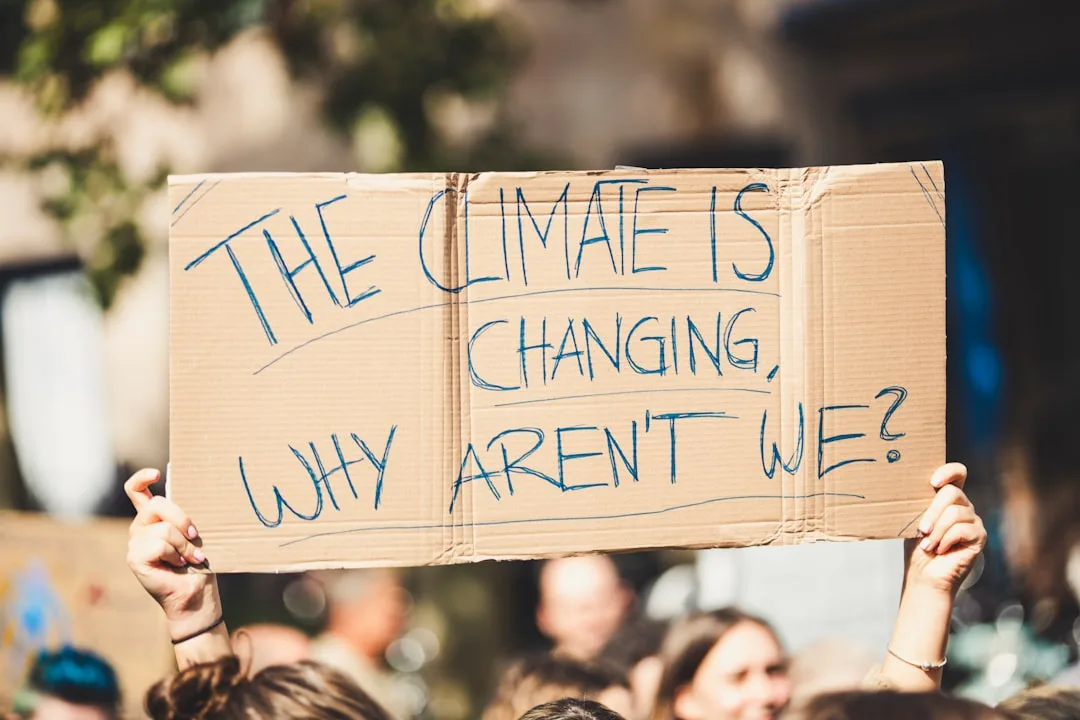
Climate emergency declarations are formal statements by governments acknowledging the urgency of climate change, often used to prioritize green spending and policy shifts. These declarations typically signal a commitment to achieving Net Zero emissions by a specific date, often 2050. While they provide a moral compass for policy, their legal weight varies significantly depending on the jurisdiction and the specific language used in the resolution.
The Impact of the Climate Emergency Declaration Reversal
Key questions
- Why did the council cancel the climate emergency declaration?
- The council acted on a motion proposed by Reform UK, which argued that the local environment could be improved without the need for an official pledge.
- What is the purpose of a climate emergency declaration?
- These declarations are formal statements used by governments to acknowledge the urgency of climate change and prioritize environmental policies and spending.