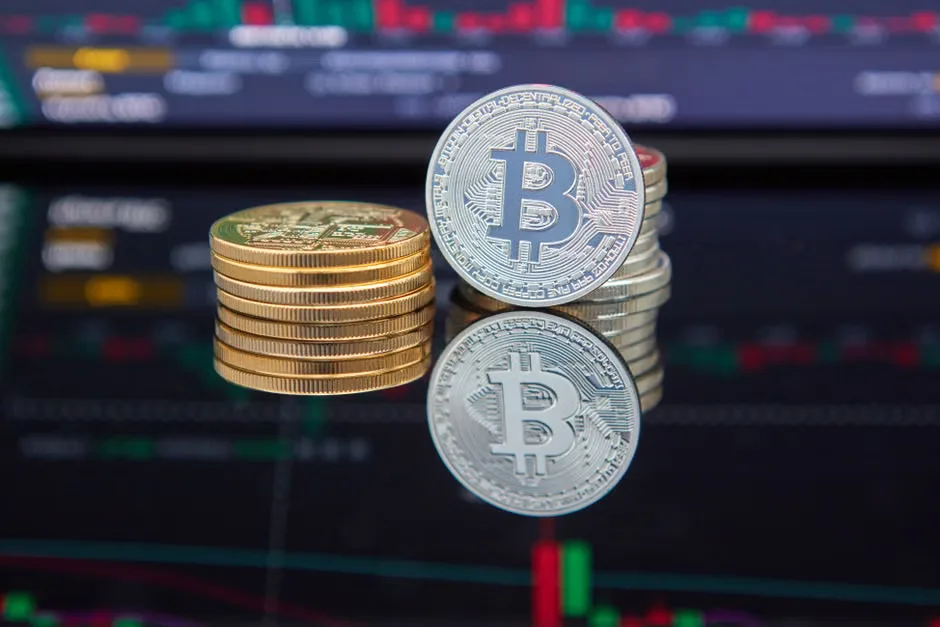

Bitcoin traded below the $63,000 mark as investors weighed the potential impact of rising oil prices and fresh inflation concerns on appetite for risk assets. The pause in momentum comes after a period of uneven gains for cryptocurrencies, with traders increasingly focused on macroeconomic signals rather than crypto-specific catalysts.
Market participants are closely watching consumer price index data for indications of whether inflation is proving sticky enough to keep central banks cautious. A stronger-than-expected CPI reading could reinforce expectations that interest rates will stay higher for longer, a backdrop that has often limited upside in speculative assets including bitcoin and other digital tokens.
At the same time, the move higher in oil prices has added another layer of uncertainty. Energy costs can feed broader inflation pressures across the economy, raising concerns that policymakers may have less room to ease financial conditions in the near term. For crypto investors, that dynamic matters because expectations for lower rates have been a key support for risk sentiment this year.
Bitcoin's inability to break convincingly above $63,000 reflects that tension. Buyers have shown interest on dips, but conviction has been limited as macroeconomic risks remain in focus. Analysts broadly view the current trading pattern as a sign of consolidation, with the market searching for a clearer catalyst before establishing its next directional move.
Other digital assets also reflected the cautious mood, with broader crypto trading largely subdued. The sector has remained sensitive to shifts in Treasury yields, the U.S. dollar and broader equity-market sentiment, all of which can influence how investors position themselves in higher-volatility assets.
While bitcoin has held above key support levels in recent sessions, traders say a sustained breakout may require either softer inflation data, renewed optimism on monetary easing or a resurgence in spot-market demand. Without that, the market could remain range-bound as investors balance long-term enthusiasm for bitcoin against short-term uncertainty in the economic outlook.
Macro signals remain central for crypto traders
The current setup underscores how tightly cryptocurrencies remain linked to the wider financial environment. Even as long-term supporters point to bitcoin's role as a scarce digital asset, short-term price action is still being shaped by inflation expectations, commodity moves and central-bank policy signals.
For now, bitcoin's stall below $63,000 suggests investors are reluctant to make aggressive bets ahead of clearer economic data. If inflation shows signs of cooling and oil prices stabilize, sentiment could improve. But if price pressures intensify, crypto markets may face renewed volatility as traders reassess the path for rates and risk assets.
Key questions
- Why is Bitcoin struggling to move above $63,000?
- Bitcoin has faced resistance below $63,000 as traders react to rising oil prices, inflation worries and uncertainty over when interest rates might be cut.
- How do CPI data and oil prices affect crypto markets?
- Higher oil prices can add to inflation pressure, and stronger CPI data can reduce expectations for rate cuts. That combination often weakens demand for risk-sensitive assets such as cryptocurrencies.