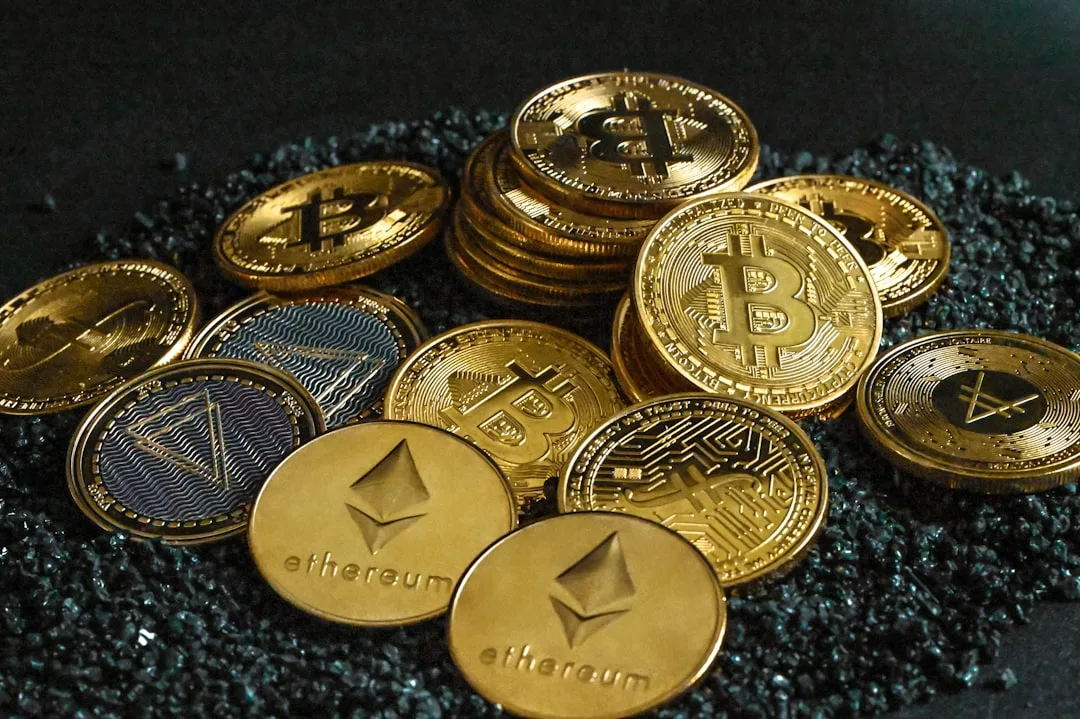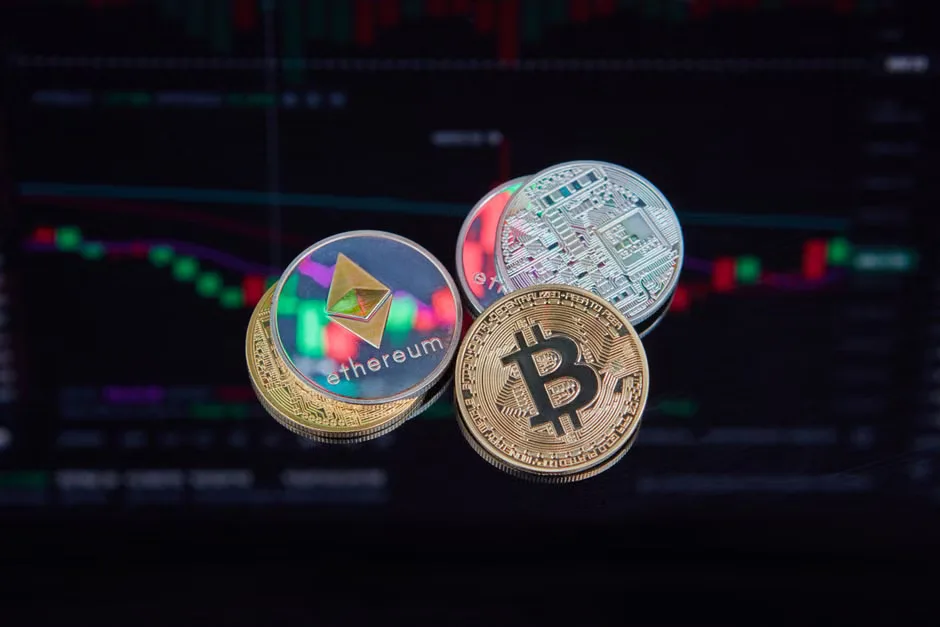
Japan’s effort to channel more domestic savings into local investment could bolster demand for assets such as bitcoin and gold, market watchers say, as households and institutions reassess how to protect wealth in a shifting economic environment.
The idea behind the “invest locally” push is straightforward: encourage Japanese savers to move more money out of low-yielding deposits and into productive assets that support the country’s economy. But analysts say the same forces that could lift local equities and private investment may also push some capital toward scarce, globally traded stores of value.
Japan remains one of the world’s largest pools of household savings, much of it historically parked in cash and bank deposits. Any policy effort that nudges even a small portion of that money into markets can draw close attention across asset classes. For crypto investors, the question is whether bitcoin could benefit alongside more traditional hedges such as gold.
Why bitcoin and gold may attract flows
Bitcoin and gold tend to draw interest when investors are worried about currency weakness, inflation or rising government debt. Japan has dealt with all three concerns in recent years, including bouts of yen volatility and intense debate over the long-term cost of public borrowing.
If Japan’s investment campaign succeeds in making households more comfortable with market risk, some investors may diversify beyond domestic stocks and bonds. Gold offers a long-established hedge, while bitcoin appeals to investors who view its fixed supply as a digital alternative to hard assets.
That does not mean the policy is designed to support crypto. Japanese officials are focused on boosting domestic capital formation and economic growth. Still, financial behavior can be difficult to contain once savers begin shifting from cash into a wider mix of assets.
Market participants also will be watching how the Bank of Japan responds to inflation and currency pressures. Higher interest rates could support the yen and reduce the appeal of hedges, while renewed currency weakness could strengthen the case for assets priced globally in dollars.
Risks remain for investors
The outlook is not one-sided. Bitcoin remains volatile and sensitive to liquidity conditions, regulation and investor sentiment. Gold can also retreat when real yields rise or when the dollar strengthens. A stronger yen, improved confidence in Japanese assets or tighter monetary policy could limit demand for both.
Japan’s crypto market is regulated more tightly than many others, with strict rules for exchanges and custody following past industry failures. Those safeguards may support confidence among retail investors, but they can also slow the rollout of new products and limit speculative excess.
For now, the local investment push is best viewed as one more factor in a broader market narrative. Japan wants more of its savings working at home. Investors, meanwhile, may use that transition to rethink portfolios that have long favored safety over growth. If concerns about inflation, debt and the yen persist, bitcoin and gold could be among the assets that benefit.
Key questions
- Why could Japan’s local investment plan affect bitcoin and gold?
- If the plan encourages savers to move money out of cash and into markets, some investors may diversify into assets viewed as hedges against inflation, currency weakness or fiscal risk, including bitcoin and gold.
- Does Japan’s plan directly promote cryptocurrency investment?
- No. The plan is aimed at supporting domestic investment and economic growth. Any increase in bitcoin demand would likely come indirectly through broader portfolio shifts and hedging behavior.