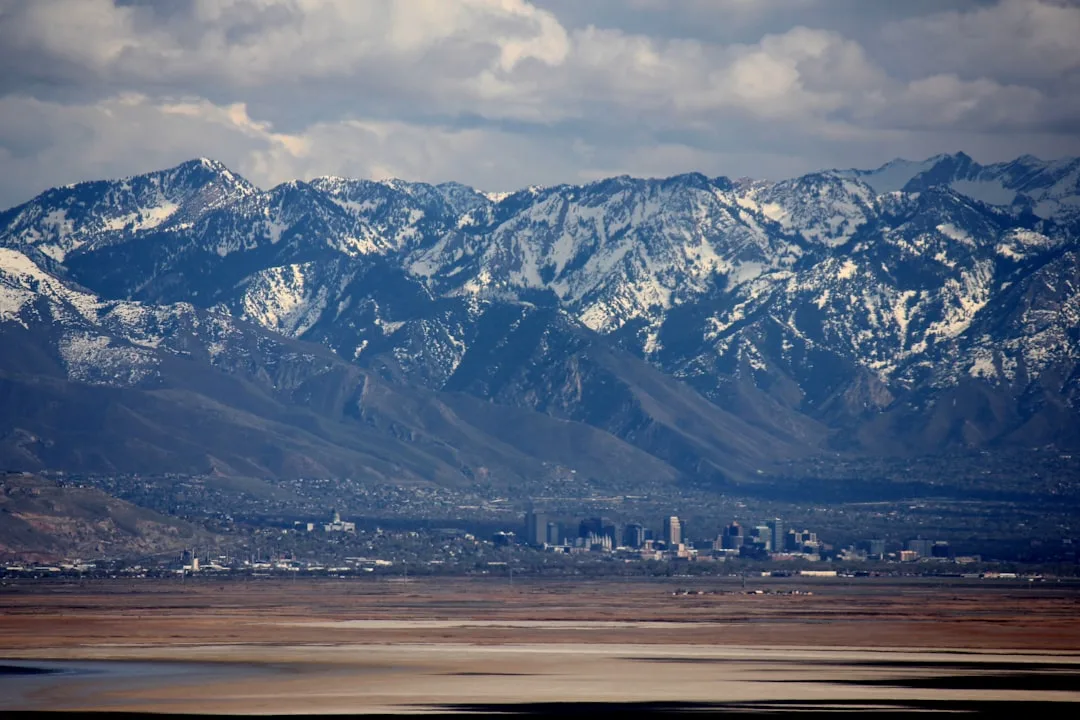

Arkansas is heading into a warmer stretch as forecasters track a building heat pattern across the state, signaling a shift toward more summerlike conditions for many communities.
The Arkansas Storm Team forecast highlighted the rising temperatures, with the main weather story centered on the heat rather than widespread storms. While exact conditions will vary by city and time of day, residents should expect warmer afternoons and potentially more uncomfortable conditions where humidity increases.
For central Arkansas and surrounding areas, the change may be most noticeable during the afternoon and early evening, when temperatures typically reach their daily highs. Clearer skies, stronger sun and lighter winds can all help temperatures climb quickly, especially in urban areas where pavement and buildings hold heat.
Heat safety becomes the focus
As the warmer pattern settles in, public health officials and weather forecasters generally advise residents to take routine heat precautions. That includes drinking water regularly, taking breaks in shade or air conditioning and avoiding strenuous outdoor work during the hottest part of the day when possible.
Children, older adults, outdoor workers and people with medical conditions can be more vulnerable when temperatures rise. Pets also need extra care, including access to water and shade. Vehicles can become dangerously hot in minutes, so children and animals should never be left inside a parked car.
The National Weather Service issues heat advisories or warnings when conditions are expected to become hazardous. No statewide alert should be assumed without checking an official local forecast, but residents should monitor updates if temperatures continue to trend higher or if humidity increases enough to push heat index values upward.
Storm chances may still change
Even during hot stretches, Arkansas weather can change quickly. Pop-up showers or thunderstorms are possible in warm, humid air masses, though coverage depends on available moisture, upper-level weather features and local boundaries. A quiet morning can give way to a more active afternoon if conditions align.
Drivers should also be alert for sudden downpours if storms develop. Heavy rain can reduce visibility and create ponding on roads, while lightning remains a hazard even from storms that are not severe.
Forecast details are likely to become clearer as newer model data arrives. Residents planning outdoor events, travel or work should check updates from local meteorologists and the National Weather Service, especially for timing on peak heat and any chance of storms.
The overall message for Arkansas is straightforward: temperatures are climbing, and warmer days are ahead. While the forecast does not point to a single statewide hazard in the limited information available, the trend is enough to make heat awareness important for the days ahead.
Key questions
- How hot will it get in Arkansas?
- Temperatures are expected to trend warmer, but exact highs will vary by location. Residents should check local forecasts for city-specific temperature and heat index details.
- Are storms expected with the hotter weather?
- The main forecast trend is rising heat, but isolated showers or thunderstorms can still develop in warm, humid conditions. Updated local forecasts will provide the best guidance.