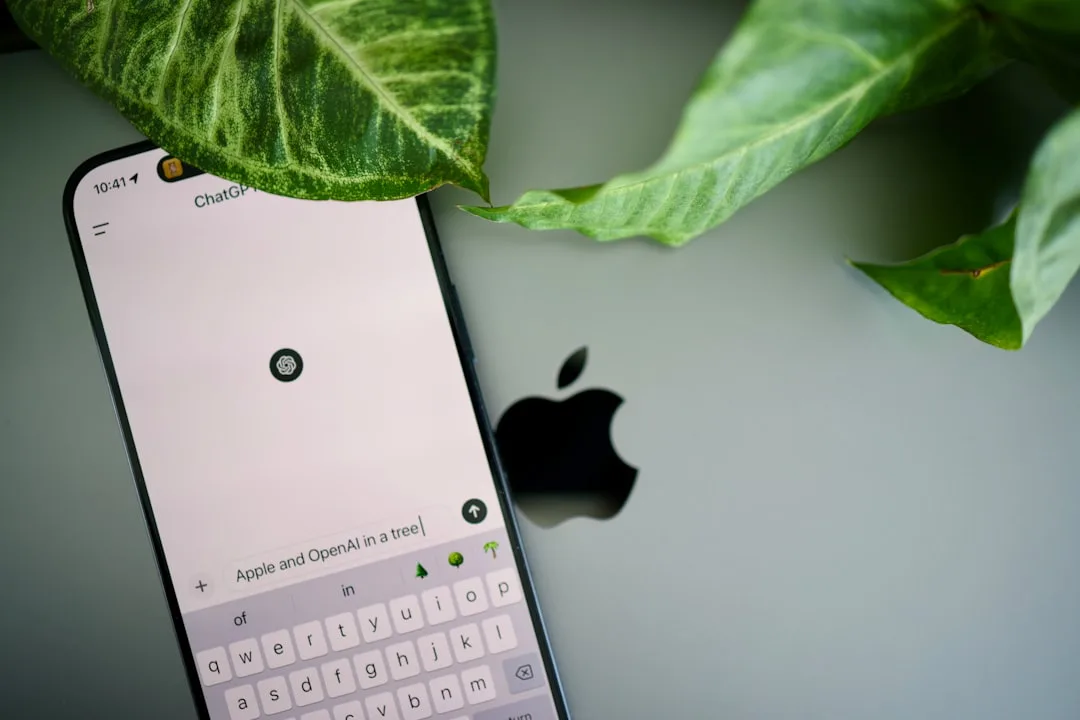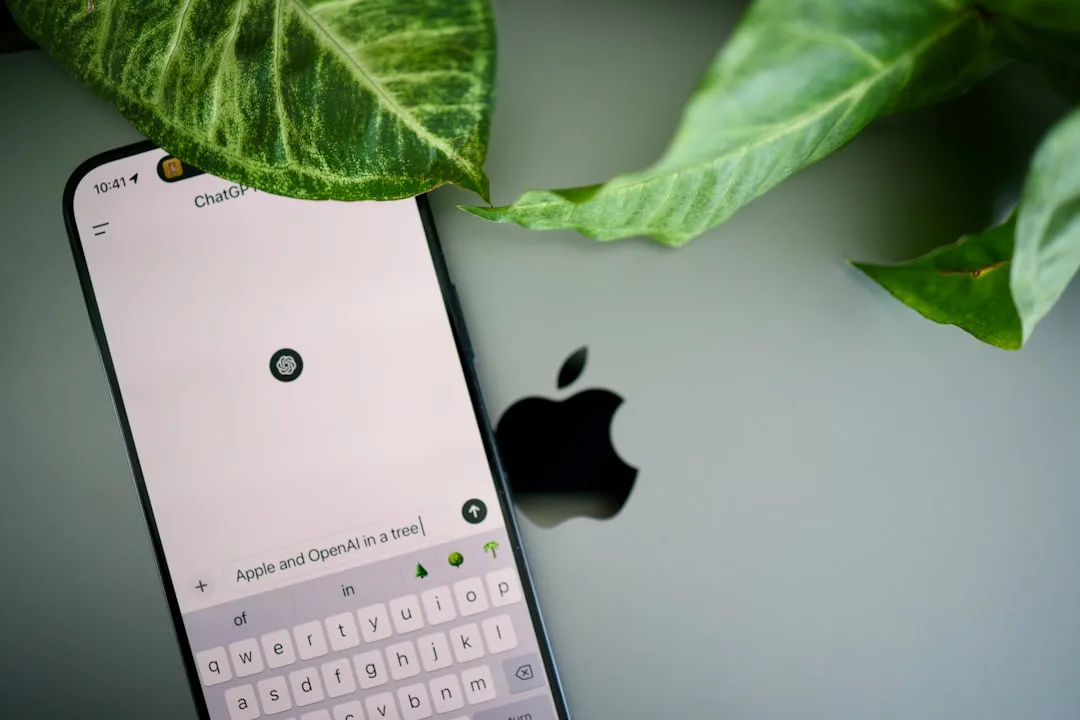
Apple’s trade secrets lawsuit against OpenAI lays out a series of allegations that, if substantiated, could intensify scrutiny of how major artificial intelligence companies recruit talent and handle sensitive information from rivals. The complaint, highlighted in a TechCrunch report, describes conduct ranging from employee comments about unauthorized access to Apple systems to claims that job candidates were asked to bring Apple devices to interviews.
At this stage, the case reflects Apple’s allegations, not findings of fact. OpenAI is expected to respond in court, and the claims will face legal testing as the case moves forward. Even so, the complaint’s details stand out because they touch on several high-risk areas for technology companies: trade secret protection, device security, employee mobility and competitive hiring practices.
According to the report, one of the most attention-grabbing claims involves employees allegedly joking about unauthorized access to Apple’s internal systems. In legal disputes over trade secrets, even informal messages can become significant because they may be used to suggest knowledge, intent or corporate culture. Whether those statements amount to evidence of wrongdoing would depend on context and the broader record presented in court.
The lawsuit also reportedly accuses OpenAI of asking job candidates to bring Apple hardware to interviews. That allegation could prove particularly sensitive because companies generally impose strict rules on the handling of internal devices, prototypes and nonpublic materials. If a court were to find that such requests were made to obtain protected information, the legal consequences could be severe. But as with the rest of the complaint, the claim remains an allegation until tested through evidence and argument.
Apple’s filing appears to fit into a broader trend of aggressive litigation over trade secrets in fast-moving sectors such as artificial intelligence and semiconductors. As competition for engineers and researchers intensifies, employers are paying closer attention to what departing workers take with them, including documents, code, hardware and institutional knowledge. Courts, in turn, are increasingly being asked to draw the line between lawful expertise that employees carry from job to job and confidential information that belongs to a former employer.
For OpenAI, the case adds to the legal and reputational pressures facing the company as it expands its business and deepens its role in the AI race. For Apple, the suit underscores the value it places on safeguarding internal systems and proprietary development work. For the broader tech industry, the dispute is a reminder that in an environment shaped by rapid hiring and intense competition, trade secret compliance can become as important as product strategy.
Further filings may clarify which claims are backed by documentary evidence and which may be disputed on factual or legal grounds. Until then, the lawsuit offers a striking look at the kinds of accusations now surfacing as leading technology companies battle over talent, data and control of valuable intellectual property.
Key questions
- What does Apple allege in its trade secrets lawsuit against OpenAI?
- Apple alleges conduct including comments about unauthorized access to internal systems, questionable recruiting practices and improper handling of Apple hardware and confidential information. The claims have not been proven in court.
- Have the allegations against OpenAI been established as facts?
- No. The allegations are claims made in Apple’s complaint and are expected to be challenged through the court process before any findings are made.