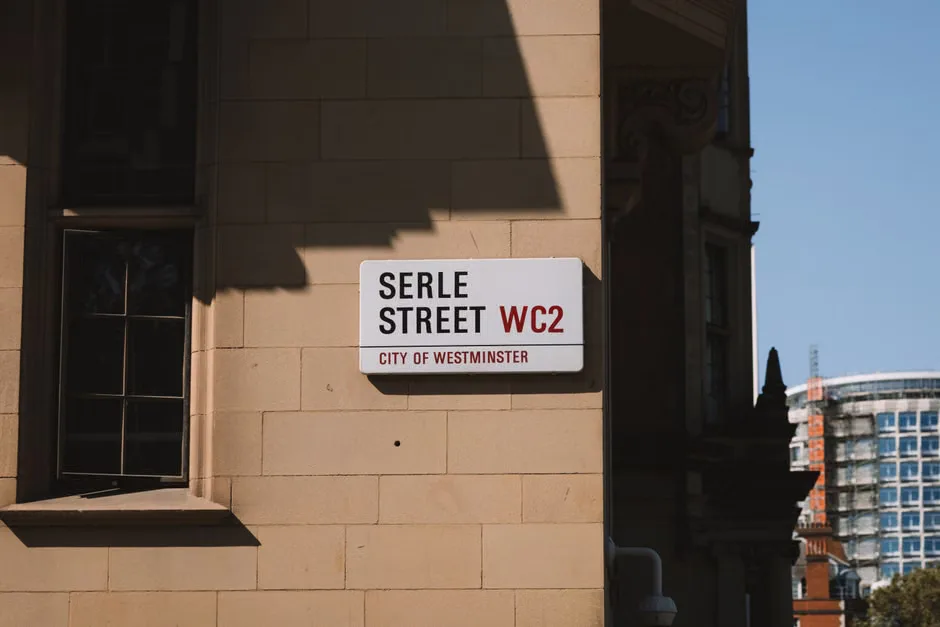
Westminster Council has come under fire from residents, local businesses, and public safety groups over its proposal to revise licensing policies that would permit more bars and clubs to operate with vertical drinking setups, where patrons consume alcohol while standing. The plan, unveiled as part of a broader review of the council’s Statement of Licensing Policy, aims to modernise regulations for late-night venues in the West End but has triggered alarm over potential increases in noise, litter, and antisocial behaviour. Critics argue the changes could undermine years of progress in making the area safer and more family-friendly after dark.
The controversy centres on whether vertical drinking — common in many city-centre bars — should be more widely permitted under updated licensing rules. Supporters say it reflects modern social habits and could help struggling night-time businesses recover post-pandemic. However, Westminster’s own data shows a 15% rise in alcohol-related incidents in the area over the past two years (Westminster Council Community Safety Report, 2023), which opponents cite as evidence that loosening restrictions now would be premature. The council insists any changes would be subject to strict conditions and local consultation.
We are not seeking to deregulate or encourage irresponsible drinking, but to ensure our licensing framework reflects how people actually socialise in 2024, said a Westminster Council spokesperson. Any proposal will be balanced against the need to protect residents and maintain the quality of life in our communities.
Analysis of the proposal reveals a tension between economic recovery and public safety priorities. The night-time economy in Westminster contributes over £2 billion annually to the local economy, according to the Greater London Authority, and many venue operators argue that restrictive licensing is hindering recovery. Yet, residents in areas like Soho and Covent Garden have long complained about noise pollution and street congestion, particularly on weekends, suggesting that any relaxation must be carefully targeted and monitored.
Furthermore, the debate touches on broader questions about urban governance and the role of local authorities in shaping nightlife culture. Westminster has been a pioneer in implementing cumulative impact policies to limit the density of licensed premises in certain zones. Rolling back such measures, even incrementally, could signal a shift in policy direction that other London boroughs might follow — or resist — depending on local outcomes.
Westminster Council Licensing Policy Review and Public Safety Concerns
The council maintains that its review is evidence-based and will include impact assessments on crime, noise, and public health. It points to successful models in cities like Manchester and Bristol, where managed vertical drinking zones have operated without significant increases in disorder when paired with robust door supervision and waste management. Still, sceptics remain unconvinced, arguing that Westminster’s unique mix of tourism, residential density, and historic venues requires a more cautious approach.Looking ahead, the council is expected to publish a draft of its revised licensing policy later this year, followed by a public consultation period. The outcome will likely influence not only how bars and clubs operate in the West End but also how other major cities balance economic vitality with community wellbeing in their night-time economies. Whatever the decision, the debate underscores the ongoing challenge of managing urban spaces where commerce, culture, and daily life intersect after dark.
Key questions
- What is vertical drinking and why is it controversial in Westminster?
- Vertical drinking refers to consuming alcohol while standing, commonly found in bars and pubs. It is controversial in Westminster because residents and safety groups fear it could increase noise, litter, and antisocial behaviour in already busy areas, despite arguments that it reflects modern social habits and supports night-time business recovery.
- How has Westminster Council responded to criticism over its licensing policy review?
- Westminster Council says it is not seeking to deregulate but to update licensing rules to reflect current social habits, insisting any changes will be subject to strict conditions, local consultation, and evidence-based assessments of impact on crime, noise, and public safety.