Valve’s Steam Machine is drawing renewed scrutiny from PC gaming reviewers who say the compact living room system may not offer the best value for buyers willing to build their own hardware.
A new round of coverage from technology outlets highlights a growing debate around Valve’s console-style PC strategy. PCMag argued that several do-it-yourself builds can deliver more for the money, while Engadget described the Steam Machine as a product that might have been better suited to the market five years ago. Other writers, including at The Verge, have been more receptive to the device’s size, simplicity and fit for everyday gaming setups.
The discussion reflects a broader shift in PC gaming. SteamOS, Valve’s Linux-based gaming platform, has become more familiar to players through the Steam Deck and has helped make the idea of a living room gaming PC less intimidating. For users who want a plug-and-play device, Valve’s approach still has an obvious appeal. But for hobbyists and price-conscious buyers, SteamOS can also make a custom system feel like a viable alternative.
DIY builds challenge the prebuilt pitch
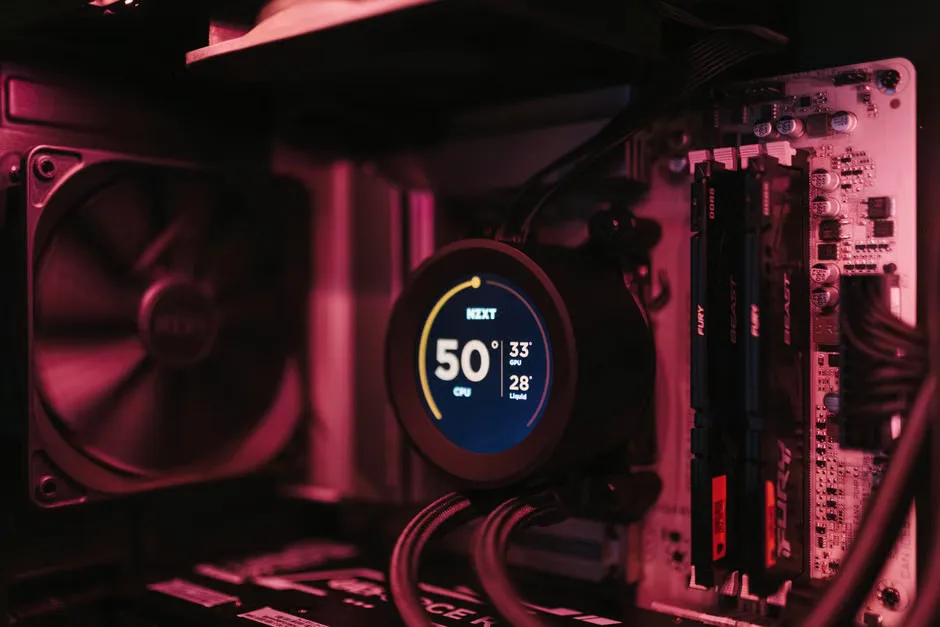
The central criticism is not that the Steam Machine cannot serve its purpose. Rather, reviewers are questioning whether a fixed prebuilt configuration can compete with a carefully selected small-form-factor PC. A DIY build can often be tailored around a user’s priorities, whether that means stronger graphics performance, more memory, larger storage or easier future upgrades.
That flexibility matters because living room PCs occupy an unusual space between consoles and traditional desktops. Console buyers tend to value simplicity, predictable performance and a clean interface. PC buyers often expect customization, component choice and the ability to improve a system over time. Valve’s challenge is to satisfy both groups without pricing the Steam Machine into direct competition with more powerful or more flexible hardware.
Some recent commentary also points to memory and upgrade decisions as pressure points. Aftermath wrote about adding a second stick of RAM to a Steam Machine, underscoring how small component choices can become central to the value conversation among PC enthusiasts. For that audience, even a modest limitation can turn into a reason to choose a custom build instead.
SteamOS may be Valve’s biggest advantage
Even critics of the hardware have noted that SteamOS is becoming a stronger part of the living room gaming equation. XDA argued that SteamOS made it possible to build a personal living room console, which in turn made Valve’s own Steam Machine feel less necessary. That view captures the paradox facing the company: The better SteamOS becomes on non-Valve hardware, the more competition Valve may create for its own devices.
Still, the Steam Machine could remain attractive to buyers who want a streamlined setup and do not want to research motherboards, cases, cooling or compatibility. The Verge’s more positive take focused on how the device fits into a home, suggesting that convenience and design can count for as much as raw specifications.
For now, the market response may depend on what buyers value most. Those who want the easiest route to Steam gaming on a TV may see the Steam Machine as a practical option. Those comfortable with PC parts are likely to keep comparing it against DIY builds — and in many cases, may decide the better deal is the one they assemble themselves.
Key questions
- Why are reviewers comparing Valve’s Steam Machine with DIY gaming PCs?
- Reviewers are weighing whether a prebuilt SteamOS device offers enough value compared with custom small-form-factor PCs that can be configured for more performance, memory, storage or upgrade flexibility.
- Does SteamOS make DIY living room gaming PCs easier to build?
- SteamOS has made the idea more approachable for some users by offering a console-like interface for PC gaming, though building a system still requires hardware research and compatibility checks.