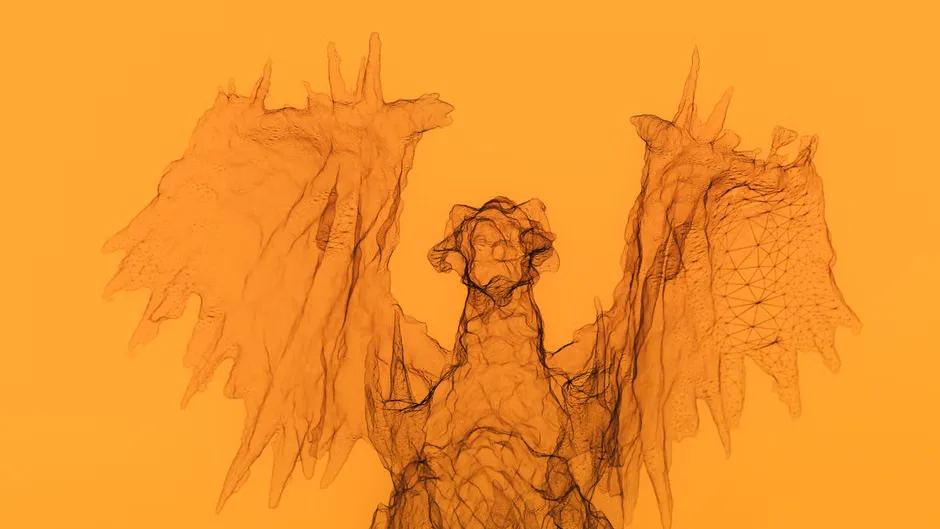
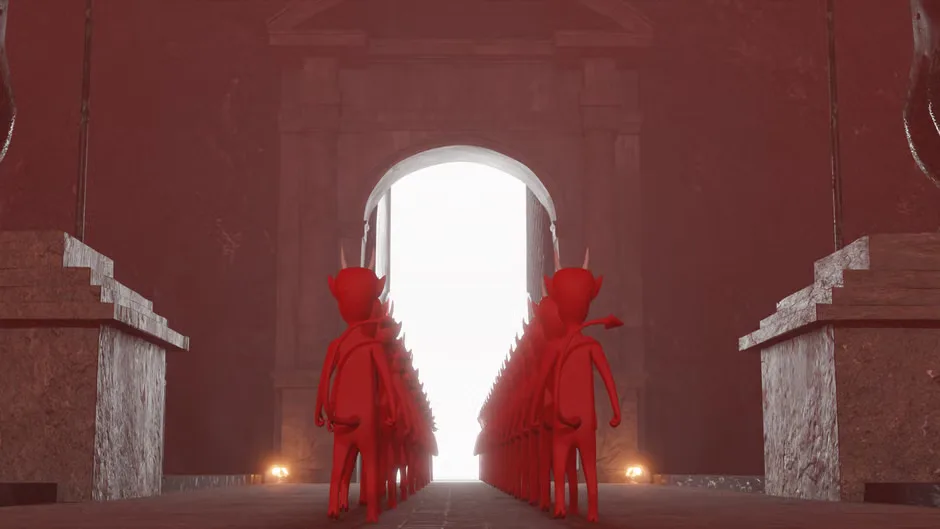
Recently unearthed prototype footage has surfaced online, revealing an early experimental version of Demon’s Souls that employed a first-person perspective rather than the iconic third-person view that defined the final game. The clips, shared by a preservation researcher, show rudimentary environments and character models navigating dark corridors and engaging in combat from a first-person viewpoint, predating the studio’s shift to the over-the-shoulder style now synonymous with the Souls series.
According to industry analysts, the prototype dates to around 2007–2008 during FromSoftware’s initial development phase for what would become Demon’s Souls, released in 2009. The footage highlights early attempts to translate the studio’s vision of punishing, methodical combat into a first-person framework, a design path also explored contemporaneously by other studios working on challenging action RPGs. One notable detail visible in the clips is the use of a stamina-based blocking system, though implemented with less refined feedback than in the final product.
This prototype shows FromSoftware actively iterating on core mechanics before landing on the third-person perspective that became central to the series’ identity, said Dr. Elena Rodriguez, a video game historian at the University of Texas at Austin. It underscores how foundational Soulsborne mechanics like stamina management and enemy tells were being tested across different camera perspectives during early development.
The shift from first-person to third-person was likely influenced by several factors, including improved spatial awareness for complex level design, better readability of enemy animations and telegraphs, and enhanced player immersion in the game’s atmospheric, interconnected worlds. The third-person view allowed FromSoftware to more clearly convey the weight and timing of weapon swings, parries, and dodges — elements that became hallmarks of the franchise’s combat depth.
Industry observers note that abandoning the first-person approach enabled the studio to refine the lock-on targeting system and environmental storytelling techniques that rely on player positioning and camera angles. This decision proved pivotal, as the resulting formula not only defined Demon’s Souls but also influenced a generation of action RPGs, spawning the Soulsborne subgenre and inspiring titles across multiple platforms and developers.
While the prototype remains a fascinating artifact of game development experimentation, it ultimately represents a path not taken. The final third-person perspective contributed significantly to the series’ legacy by emphasizing tactical positioning, environmental awareness, and the deliberate pacing that defines player progression through its unforgiving yet fair challenges.
Preservation and Legacy in Gaming History
The discovery of this prototype adds to the growing body of preserved development materials that shed light on how iconic games evolve through iteration. Similar to the uncovering of early builds for titles like Half-Life 2 or Resident Evil 4, such footage provides invaluable insight into the creative decisions that shape landmark releases. Organizations like the Video Game History Foundation and Internet Archive continue to play a critical role in safeguarding these materials for researchers, developers, and fans interested in understanding the evolutionary paths of influential games.
As interest in game preservation grows, prototypes like this Demon’s Souls build serve as reminders that even the most celebrated titles emerge from extensive experimentation, failed iterations, and bold creative risks. The footage not only enriches the historical record of FromSoftware’s development process but also invites reflection on how different choices might have altered the trajectory of one of gaming’s most influential franchises.
Key questions