
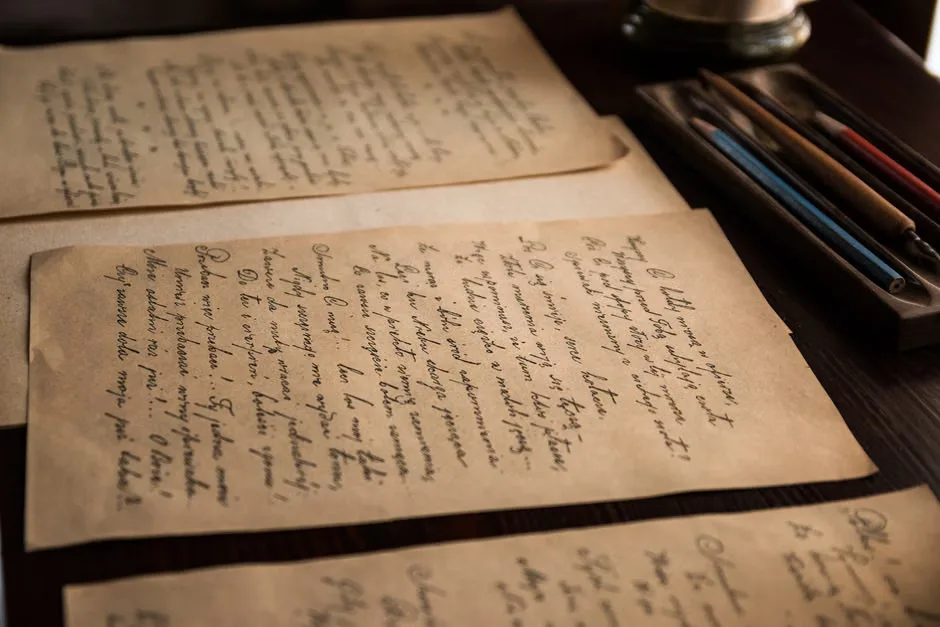
A collection of letters, books and notes linked to J.R.R. Tolkien has sold at auction for £103,000, drawing interest from collectors and readers of the author whose imagined worlds helped define modern fantasy literature.
The materials document a friendship between Tolkien and a profoundly deaf fan, offering a quieter and more personal view of the writer best known for “The Hobbit” and “The Lord of the Rings.” The sale underlines the continuing demand for Tolkien-related manuscripts and correspondence, particularly items that show how he engaged with readers beyond the published page.
The group included personal letters and associated items that traced an exchange between the author and the fan over time. Such correspondence is valued not only because of Tolkien’s literary stature, but also because it can reveal his habits, interests and kindnesses in ways formal publications rarely do.
A personal link to a literary giant
Tolkien, who died in 1973, remains one of the most widely read authors of the 20th century. His work helped establish a broad audience for high fantasy, combining invented languages, deep mythology and a layered fictional history. Decades after his death, his papers, first editions and signed works continue to attract strong prices in the rare book market.
But the appeal of this sale was not limited to rarity. The letters and notes are notable because they show an author responding to a reader whose experience of the world was shaped by profound deafness. For literary historians, that kind of exchange can broaden the public understanding of a writer often discussed mainly in terms of mythology, philology and world-building.
Collectors have long sought Tolkien material tied directly to his life and creative process. Signed books, handwritten notes and correspondence can command significant sums, especially when they have clear provenance and a story that connects them to a known relationship. Auction specialists often emphasize that personal context can make literary artifacts more compelling to buyers.
Market for Tolkien material remains strong
The £103,000 result reflects a wider pattern in which archives and individual letters by major authors continue to draw attention. Tolkien’s global readership has been sustained by new editions, academic study, film and television adaptations and fan communities that continue to debate his languages, characters and fictional history.
While adaptations have introduced new audiences to Middle-earth, original letters and books offer a different kind of connection: direct contact with the author’s life. For some buyers, such items are investments. For others, they are cultural objects tied to formative reading experiences and to the enduring influence of Tolkien’s imagination.
The sale also highlights how fan correspondence can become part of literary history. Letters that might once have been regarded as private exchanges can later help scholars and readers understand how an author’s work was received in its own time, and how individual readers formed lasting bonds with the person behind the books.
The buyer was not immediately identified in the initial report. Whether the collection remains private or eventually becomes available for research, the auction result reinforces Tolkien’s continued standing not only as a bestselling author, but as a figure whose personal papers still carry emotional and historical weight.
Key questions
- How much did the Tolkien fan letters sell for?
- The collection of letters, books and notes associated with J.R.R. Tolkien sold at auction for £103,000.
- Why are the Tolkien letters significant?
- They document a personal friendship between Tolkien and a profoundly deaf fan, offering insight into the author’s relationship with readers beyond his published works.