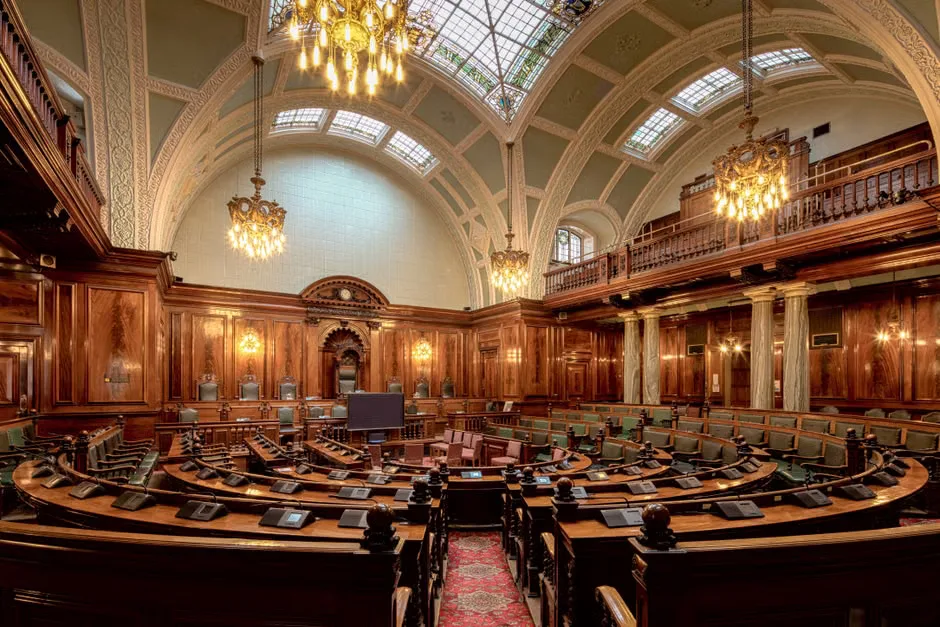

Tennessee voters headed to the polls on August 1 for the states primary election, casting ballots in races that will determine the November general election matchups for governor, Congress, and the state legislature. Polls opened across the states 95 counties at 8 a.m. local time and remained open until 7 p.m., with early voting and absentee ballots already contributing to turnout.
According to the Tennessee Secretary of States office, over 1.3 million voters participated in early voting ahead of Election Day, representing approximately 30% of the states 4.3 million registered voters. Key contests included the Republican gubernatorial primary where incumbent Bill Lee faced challengers, and competitive Democratic primaries in several U.S. House districts.
We're seeing strong engagement in both parties this primary season, particularly in suburban districts where redistricting has created new competitive landscapes, said Dr. Elizabeth Carter, professor of political science at Vanderbilt University. Voter turnout in primaries often predicts general election energy, and early indicators suggest heightened interest this year.
Analysis of the results shows incumbent advantages holding in most statewide races, though several legislative seats saw tight contests that could shift party dynamics in the Nashville and Memphis areas. In the U.S. Senate race, the Republican nominee will face former Nashville mayor Megan Barry in November after winning a crowded primary field.
The primary outcomes also set the stage for ballot initiatives, including a constitutional amendment proposal on judicial retention that received significant attention during the campaign. Election officials reported minimal issues at polling places, with standard wait times in urban centers and smooth operations in rural precincts.
Tennessee Election Process and Voter Access
Tennessee operates under a mixed primary system where voters must declare party affiliation at the polls to participate in that party's primary, though independents can choose either party's ballot. The state has implemented various voter ID requirements and recently adjusted early voting periods, factors that election analysts continue to study for their impact on participation rates across different demographics.
Looking ahead to November, both parties will now pivot to general election strategies, with Democrats targeting suburban swing districts and Republicans aiming to maintain dominance in rural areas. The primary results provide early indicators of issue salience, with economic concerns and education policy emerging as top voter priorities based on exit polling data collected by local news organizations.
Key questions
- When did Tennessee hold its August primary election?
- Tennessee held its state and federal primary election on Thursday, August 1, with polls open from 8 a.m. to 7 p.m. local time across all 95 counties. Early voting took place in the weeks leading up to Election Day.
- What were the key races in Tennessee's August primary election?
- Key races included the Republican gubernatorial primary featuring incumbent Bill Lee, competitive Democratic primaries in several U.S. House districts, and the U.S. Senate primary where the winner will face former Nashville mayor Megan Barry in the November general election.