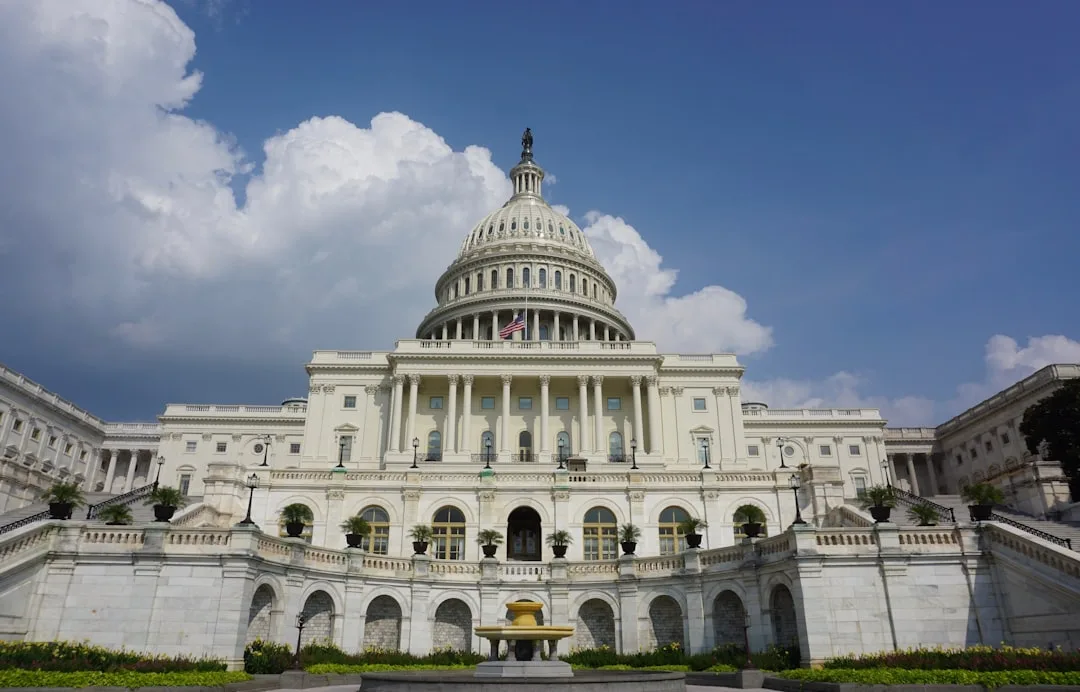

Steve Kornacki of NBC News recently detailed the Democratic Congressional Strategy required to secure a legislative majority. The analysis highlights specific battleground states that will determine the balance of power in the US House of Representatives and the Senate during the current election cycle.
The fight for control of Congress often hinges on a handful of competitive districts and states. Historically, a shift of just a few seats in the House can flip the entire chamber, with recent cycles showing that narrow margins often decide the governing party (Congressional Research Service).
Steve Kornacki noted that there are specific states the Democrats simply have to win if they intend to maintain or regain control of the legislative branch.
The current Democratic Congressional Strategy relies heavily on mobilizing urban centers while attempting to make inroads in suburban corridors. These areas have become the primary battlegrounds for moderate voters who often decide the outcome of tight races in the Midwest and the Sun Belt. By focusing on these demographics, the party hopes to offset losses in deeply rural areas.
Furthermore, the strategic approach must balance national messaging with localized concerns. Addressing economic instability, inflation, and healthcare access remains central to their appeal in contested districts. The ability to pivot from broad party platforms to specific regional needs will likely determine the success of candidates in these must-win zones.
As the election cycle progresses, campaign spending will likely concentrate on these identified high-priority areas. Polling data will continue to shift the focus of the Democratic National Committee's resource allocation, moving funds toward the most volatile swing districts to prevent unexpected losses.
The US Congress consists of the Senate and the House of Representatives, with control determined by a simple majority of seats. This balance of power dictates which party sets the legislative agenda, manages committee assignments, and controls the pace of federal lawmaking.
The Core of the Democratic Congressional Strategy
To achieve a majority, the Democratic Congressional Strategy must account for the varying electoral maps of the Senate and the House. While the Senate requires winning statewide contests in a few key states, the House requires a broader coalition of victories across diverse congressional districts. This dual-track approach necessitates a sophisticated data-driven operation to identify the exact number of votes needed in each target region to secure a win.
Key questions
- What is the primary goal of the Democratic Congressional Strategy?
- The primary goal is to identify and win critical swing states and districts to secure a majority in both the US House of Representatives and the Senate.
- Who is Steve Kornacki?
- Steve Kornacki is a lead political analyst for NBC News who specializes in election data, voter trends, and electoral mapping.