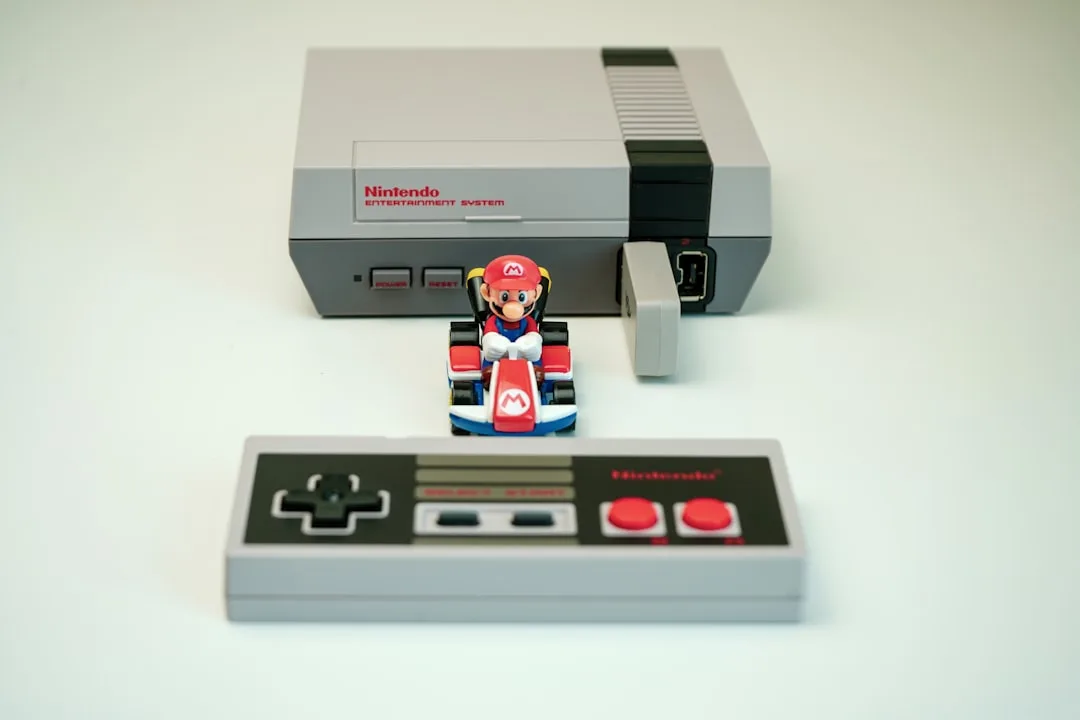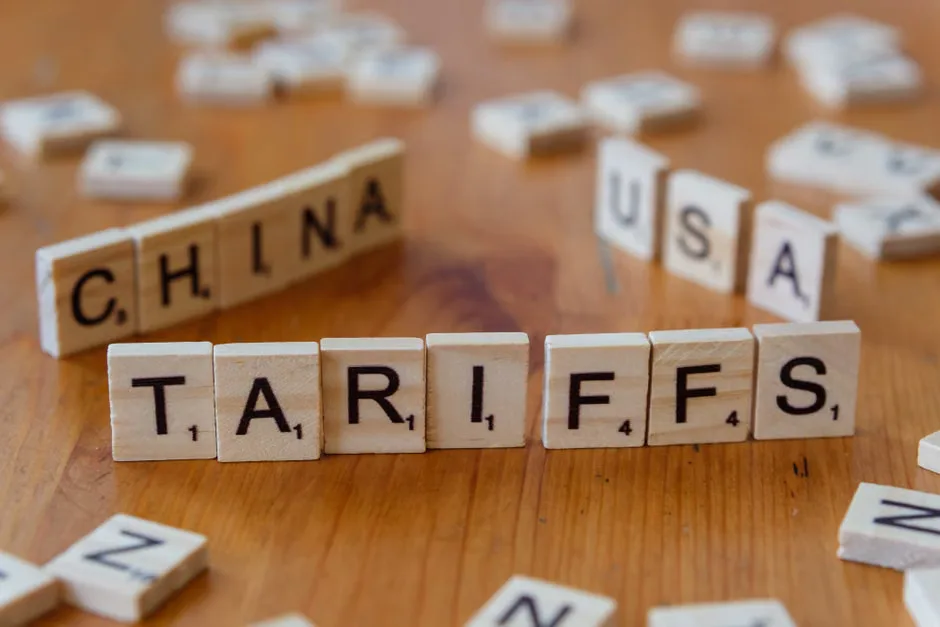
Nintendo has received a notable financial boost from tariff refunds related to recent shifts in international trade policy, according to a report from Business Insider. The refunds stem from retroactive recoveries of import duties paid on gaming hardware and components shipped into the United States during periods when tariffs were temporarily elevated.
The development comes as global supply chains continue to adapt to fluctuating trade regulations, particularly those affecting electronics and consumer goods manufactured in Asia. Industry analysts note that such duty recoveries, while not recurring, can provide meaningful short-term relief to hardware manufacturers navigating volatile cost structures.
These types of refunds are typically tied to exclusions or retroactive adjustments granted by trade authorities, said Maria Chen, senior trade policy analyst at the Global Commerce Institute. When products are reclassified or tariffs are rolled back, companies can file for reimbursement of duties previously paid — and Nintendo appears to have successfully pursued such claims.
The financial impact, while not disclosed in full, is believed to be in the tens of millions of dollars range, offering a temporary buffer against broader macroeconomic pressures. This inflow could support continued investment in research and development, particularly for upcoming hardware iterations and software ecosystem enhancements.
Despite the positive accounting effect, experts caution that tariff refunds are inherently non-recurring and should not be mistaken for sustained operational improvement. Long-term profitability for Nintendo remains tied to product innovation, consumer demand, and effective management of supply chain logistics amid ongoing geopolitical uncertainty.
Looking ahead, Nintendo is expected to maintain its focus on leveraging its strong intellectual property portfolio, including the enduring popularity of the Nintendo Switch and anticipated successor platforms. The company continues to emphasize a hybrid strategy that balances hardware sales with expanding digital services and subscription offerings.
Historical Context on Trade Adjustments in Tech Manufacturing
Tariff exclusions and refund mechanisms have become increasingly common in the tech sector over the past decade, especially as governments adjust trade policies in response to domestic industry lobbying and global economic shifts. For hardware-dependent companies like Nintendo, the ability to recover previously paid duties can significantly affect quarterly financials, even if the underlying operational challenges persist.
This episode underscores the complex interplay between international trade policy and the global gaming industry, where financial outcomes are often shaped not only by consumer trends but also by regulatory decisions made far from the development studio.
Key questions