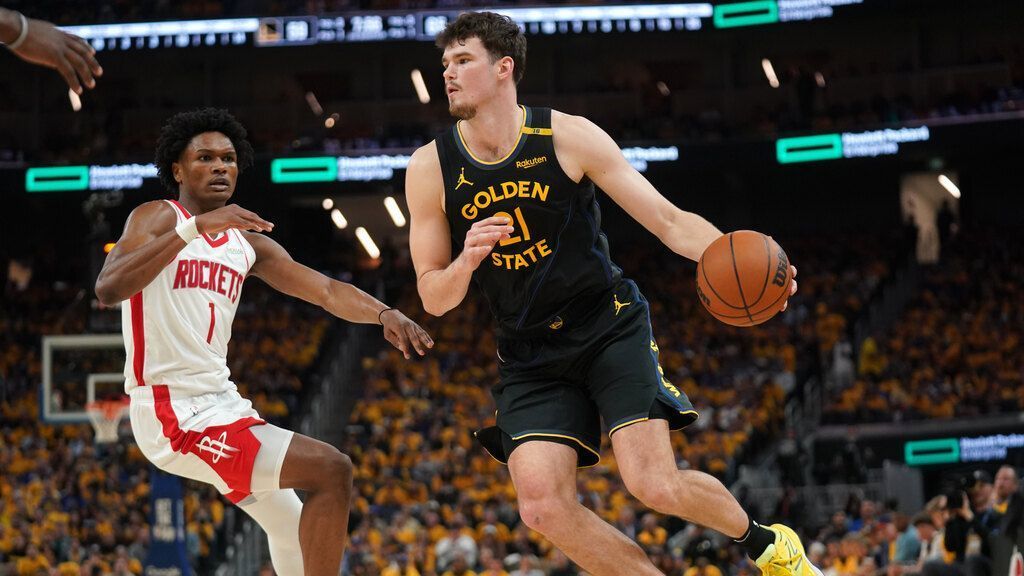

NBA offseason buzz is heating up as teams finalize contracts and trades, with the Cleveland Cavaliers securing a new deal for star guard Donovan Mitchell.
Since the end of the 2025–26 season, the NBA offseason has become a whirlwind of activity. Analysts say that the average number of trades per offseason has risen to 12, up from 8 in the previous decade (NBA.com, 2026). This uptick reflects teams’ aggressive strategies to build playoff contenders.
“Mitchell’s extension signals Cleveland’s commitment to a long‑term core,” said former Cavaliers coach Mike Brown. “It gives the team a clear direction heading into the next season.”
Teams are also leveraging the new collective bargaining agreement’s salary‑cap flexibility to move players and free up cap space. The Cavaliers’ move to lock in Mitchell for a five‑year, $140 million contract is part of a broader trend of teams securing key players before the cap hits.
Looking ahead, the NBA offseason will likely see more mid‑level exceptions and trade exceptions being used. Analysts predict that the league’s collective bargaining agreement will allow for increased player movement, potentially reshaping the competitive balance.
The NBA offseason has long been a period of strategic planning, where franchises assess talent, negotiate contracts, and make trades to improve their rosters. The current offseason is no exception, with teams like the Cavaliers, Lakers, and Warriors making headlines.
NBA Offseason
In the NBA offseason, teams evaluate their performance, identify gaps, and negotiate contracts. The process involves scouting, analytics, and financial planning to ensure compliance with the league’s salary cap. The offseason also offers players the chance to negotiate new contracts or explore free‑agency opportunities.
Beyond Mitchell, the NBA offseason saw notable signings such as LeBron James re‑signing with the Los Angeles Lakers and Nikola Jokic securing a contract extension with the Denver Nuggets. These moves underscore the league’s focus on retaining star talent to maintain fan interest and competitive parity.
Trade activity has also been robust, with the Milwaukee Bucks acquiring a veteran forward to pair with Giannis Antetokounmpo and the Boston Celtics trading a young prospect for a seasoned guard. These transactions illustrate how teams balance immediate needs with long‑term development.
The salary cap, set at $112.5 million for the 2026–27 season, forces teams to make strategic decisions. The Cavaliers’ cap space after Mitchell’s extension will allow them to pursue additional free agents or trade assets, keeping their roster flexible for future seasons.
Fans are eager to see how the NBA offseason reshapes their favorite teams. The Cavaliers’ commitment to Mitchell has sparked optimism among supporters, who hope the team can return to playoff contention. Across the league, fans anticipate exciting matchups as teams prepare for the new season.
In summary, the NBA offseason is a critical period for teams to build competitive rosters, secure talent, and plan for the future. With high‑profile signings and active trade markets, the 2026–27 season promises to be a compelling chapter in basketball history.
Key questions
- What is the NBA offseason?
- The NBA offseason is the period between the end of the regular season and the start of the next season, during which teams negotiate contracts, trade players, and prepare for the upcoming season.
- How do NBA trades work?
- NBA trades involve teams exchanging players, draft picks, or other assets, subject to league rules and salary cap considerations, to improve their rosters.