U.S. stock futures pointed higher as chip stocks helped lift the technology-heavy Nasdaq, while investors continued to assess the market impact of heightened tensions between the United States and Iran.
The move suggested Wall Street could open with gains after traders largely took Middle East developments in stride. Technology shares, especially companies tied to semiconductors and artificial intelligence, remained a source of support for the broader market. The sector has been a major driver of U.S. equities this year as investors bet on sustained demand for computing power, data centers and AI infrastructure.
Futures tied to the Nasdaq led the advance, with S&P 500 futures also higher. Dow futures were more modestly changed, reflecting a market that remained constructive but cautious. Investors were balancing enthusiasm for growth shares against the risk that geopolitical tension could disrupt energy markets, trade flows or confidence.
Chip stocks help steady sentiment
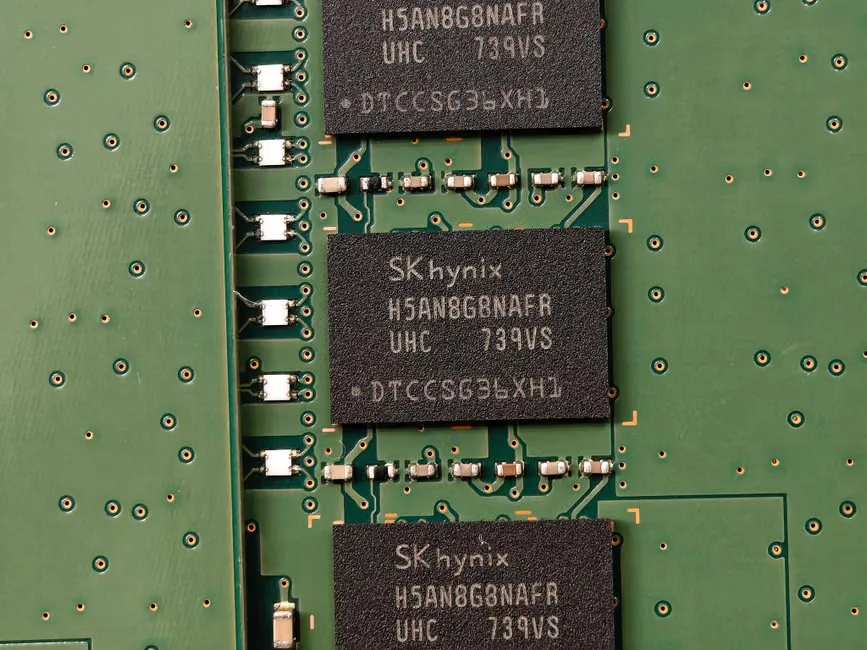
Semiconductor companies have remained central to market direction, and gains in chip-related shares helped offset concerns in other parts of the market. Traders have continued to focus on demand for advanced processors used in AI systems, cloud computing and high-performance servers.
The strength in technology stocks came as global markets were mixed. Some overseas indexes held steady, while others moved cautiously as investors watched developments in the Middle East. Oil prices also drew attention, with crude markets reacting to the possibility of supply disruptions but showing signs of steadier trading after earlier volatility.
Energy prices are a key concern for investors because a sustained jump in oil could complicate the inflation outlook. Higher fuel and transportation costs can pressure consumers and businesses, potentially influencing the Federal Reserve’s approach to interest rates. For now, markets appeared to be treating the geopolitical risks as serious but not yet severe enough to derail the broader equity rally.
Geopolitical risks remain in focus
Reports of new attacks involving the United States and Iran kept investors focused on the potential for escalation. Markets often respond sharply to military developments in the Middle East because of the region’s importance to global energy supply. However, stock investors have sometimes looked past geopolitical shocks when the immediate economic effects appear limited.
Analysts said traders were likely to watch oil prices, Treasury yields and safe-haven assets for signs of stress. A sharp rise in crude prices or a flight into government bonds could signal growing concern. A calmer reaction, by contrast, would suggest investors still expect the conflict to remain contained.
The market’s near-term direction may depend on whether technology leadership continues and whether geopolitical developments affect inflation expectations. Investors also remain attentive to corporate earnings, Federal Reserve commentary and economic data that could shape expectations for rate cuts.
For now, the tone in futures trading showed cautious optimism. Chip stocks and AI-linked names continued to draw buyers, while the broader market absorbed news from the Middle East without a broad retreat. Still, traders were expected to remain alert to headlines that could quickly shift sentiment across stocks, oil and currency markets.
Key questions
- Why did Nasdaq futures rise?
- Nasdaq futures rose as chip and artificial intelligence-related stocks gained, helping support broader market sentiment despite geopolitical concerns.
- How are U.S.-Iran tensions affecting markets?
- Traders are monitoring whether the tensions could disrupt oil supplies, push energy prices higher or increase demand for safe-haven assets. So far, markets have shown cautious resilience.