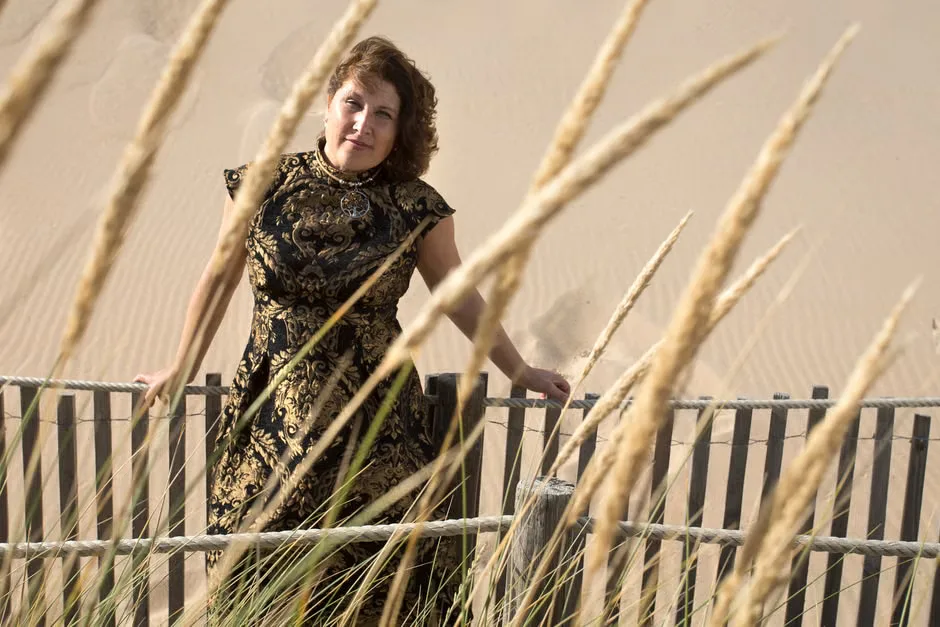

Nadia Sawalha has announced she is considering legal action against ITV following her removal from the daytime talk show Loose Women, stating she believes the decision was linked to her vocal support for Palestinian rights. The former panellist made the claim in a recent interview, asserting that her advocacy on social media and during broadcasts led to unfair treatment by the network. She said she was not given a clear explanation for her exit and suspects it was influenced by external pressure related to her political stance.
Sawalha joined Loose Women in 2021 and became known for her candid discussions on social issues, including gender equality and mental health. Her public comments on the Israel-Hamas conflict, particularly her calls for ceasefire and humanitarian aid in Gaza, attracted both support and criticism online. According to industry sources, ITV has not commented on individual personnel matters but reiterated its commitment to impartiality and workplace fairness.
I feel I have been treated unfairly because I dared to speak up for what I believe is right, Sawalha said in an interview with a UK-based media outlet. When you use your platform to advocate for human rights, you should not be punished for it — especially not by the very institution that claims to value diverse voices.
Legal experts suggest that while employment disputes over on-air departures are difficult to prove, claims of discrimination based on political belief could fall under protected characteristics in UK equality law if linked to ethnicity or national origin. However, ITV maintains that all presenting decisions are made based on editorial suitability and audience engagement metrics.
The controversy has reignited debate over the limits of free expression for broadcast personalities, particularly when their personal views intersect with ongoing geopolitical conflicts. Media watchdogs have called for greater transparency from broadcasters when explaining changes to long-running show lineups.
Nadia Sawalha Loose Women controversy raises questions about broadcaster accountability
Industry analysts note that Loose Women has periodically refreshed its panel to reflect evolving audience demographics and topical relevance. Past departures have been framed as mutual decisions, though few have led to public legal threats. Sawalha’s case stands out due to the explicit connection she draws between her advocacy and her removal.
Supporters of Sawalha have launched online petitions calling for her reinstatement, arguing that silencing voices on humanitarian issues undermines the show’s reputation for open dialogue. Critics, however, contend that broadcasters must remain neutral and avoid platforming views perceived as one-sided in complex international conflicts.
Moving forward, ITV may face increased scrutiny over how it handles presenter departures, especially when they coincide with public statements on sensitive topics. The network has not indicated whether it will respond to Sawalha’s legal threats directly or through official channels.
Beyond the immediate dispute, the situation highlights broader challenges faced by public figures who balance celebrity platforms with political activism. As audiences increasingly expect authenticity from media personalities, broadcasters must navigate the tension between editorial control and freedom of expression without compromising perceived impartiality.
Key questions
- Why is Nadia Sawalha threatening legal action against ITV?
- Nadia Sawalha claims she was treated unfairly and removed from Loose Women due to her public support for Palestinian rights, which she believes led to discrimination by the network based on her political advocacy.
- Has ITV responded to Nadia Sawalha's allegations?
- ITV has not publicly addressed Sawalha's specific claims but stated that all presenting decisions are based on editorial suitability and audience engagement, reaffirming its commitment to fairness and impartiality in workplace matters.