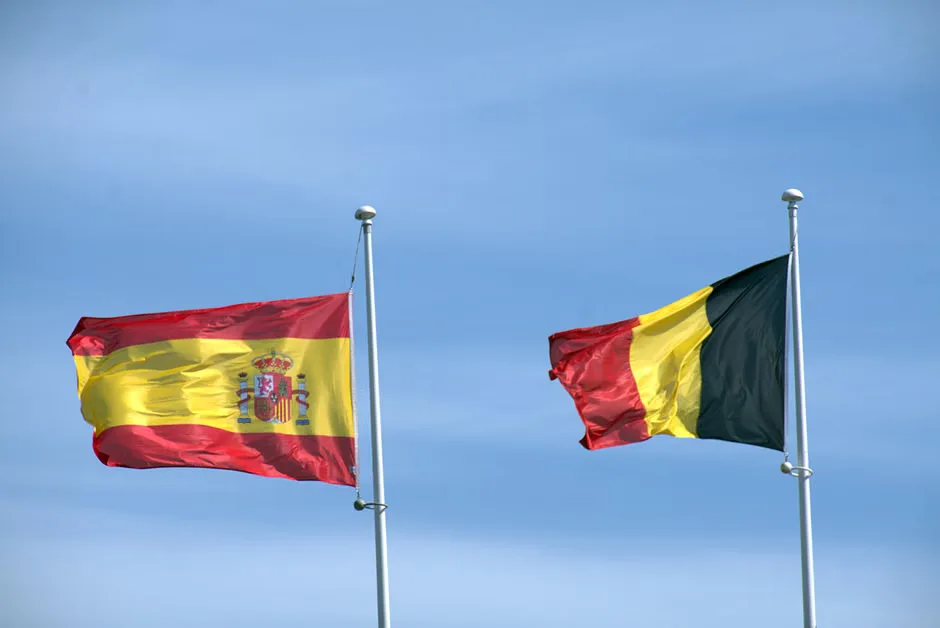
Spain are moving on, though not quite in the manner many might have expected from a side built around some of Europe’s most gifted attacking players.
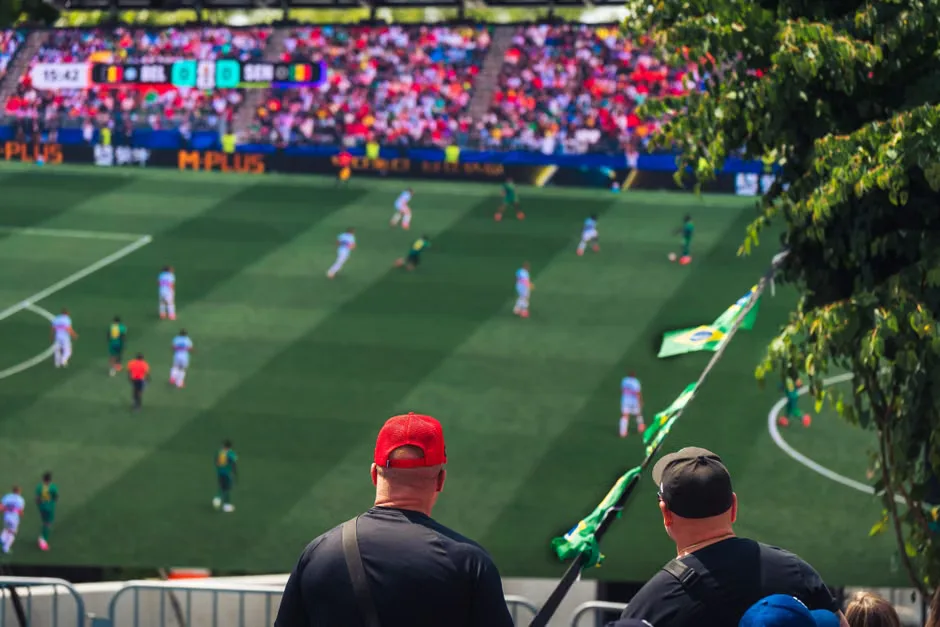
Mikel Merino delivered the decisive moment against Belgium, scoring the winner that sent La Roja into the semifinals. It was the kind of intervention that can define a knockout match: direct, timely and enough to separate two teams in a fixture where margins were thin.
The goal also carried a larger message for Spain. For all the attention surrounding Lamine Yamal and the attacking promise in the squad, Spain needed a midfielder to settle the match. That is not necessarily a problem — successful tournament teams often rely on goals from throughout the lineup — but it highlighted a performance that was more functional than free-flowing.
Merino supplies the decisive edge
Merino’s contribution gave Spain what they needed most: a clinical finish in a game that demanded patience. Belgium made life difficult, limiting space and forcing Spain to work for openings rather than allowing the game to turn into a showcase of pace and skill.
Spain have built much of their modern identity on control, possession and technical superiority. Against Belgium, that foundation remained important, but control did not always translate into comfort. The match required resilience as much as creativity, and Merino’s winner ensured Spain’s broader ambitions stayed intact.
For Merino, the goal was another reminder of his value beyond simple midfield structure. He offers height, timing and an ability to arrive in attacking areas without abandoning his responsibilities. In tight matches, those qualities can be as valuable as a traditional forward’s movement.
Questions remain for Spain’s attack
The result will be welcomed by Spain, but the attacking display is likely to draw scrutiny before the semifinal. Yamal’s presence raises expectations because of his ability to unsettle defenders and create moments from little. When a player of his talent is on the field, Spain are often expected to produce chances in volume.
Belgium, however, prevented Spain from turning possession into repeated clear looks. Whether that was a reflection of Belgian discipline, Spanish impatience or the natural tension of a knockout match, it left La Roja relying on a narrower path to victory than they may prefer.
That does not diminish the achievement. Advancing is the priority in this stage of a competition, and Spain did what was required. Teams that go deep often win at least one match without playing their best soccer. The important question is whether Spain can raise the level when the opposition becomes even stronger.
The semifinal will bring another tactical test, and Spain’s staff will have to decide how to generate more consistent service for the forwards while maintaining the midfield balance that helped them survive Belgium’s challenge.
For now, Merino’s goal stands as the defining image of the night. Spain are in the final four, their title hopes are alive, and La Roja have another chance to turn promise into a more complete performance.
Key questions
- Who scored the winner for Spain against Belgium?
- Mikel Merino scored the decisive goal that sent Spain into the semifinals.
- What concern remains for Spain after the win?
- Spain advanced, but the performance raised questions about whether La Roja can turn attacking talent, including Lamine Yamal, into more consistent scoring chances.