Meta is pushing further into the market for AI-assisted software development with Muse Spark 1.1, a coding tool the company is positioning for large, automated engineering tasks.
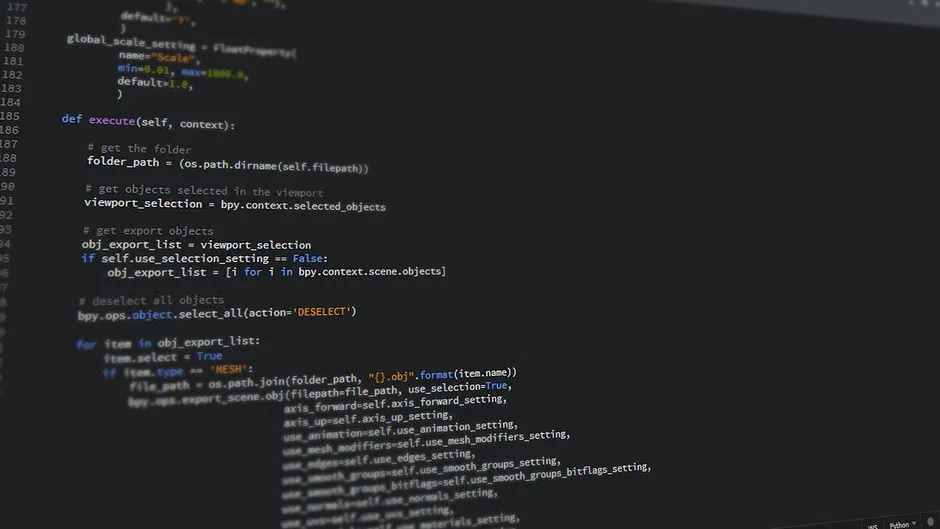
The pitch centers on Spark’s ability to handle what the industry calls agentic workloads: multistep assignments in which an AI system can plan, write, test and revise code with limited human intervention. Meta is also emphasizing bug fixes and large code migrations, two areas where companies are increasingly looking to automation to reduce manual engineering work.
The move puts Meta into a crowded and fast-moving contest. Microsoft’s GitHub Copilot helped popularize AI coding assistants among developers, while Google, Amazon, OpenAI, Anthropic and a wide range of startups are competing to make software teams more productive. Those tools now go beyond simple code completion, with many vendors promoting agents that can work across repositories, open pull requests, update dependencies and resolve errors.
Enterprise demand drives the market
For large companies, the appeal is straightforward. Aging software systems often require costly maintenance, and code migrations can take months or years when handled manually. Moving from one framework to another, upgrading internal platforms or cleaning up technical debt can consume engineering resources that companies would rather devote to new products.
AI vendors are increasingly tailoring their tools to those pain points. A coding assistant that can identify patterns across a large codebase, propose changes and surface likely bugs could be valuable to corporate technology departments. But the same capabilities also raise questions about accuracy, security and how much oversight developers should maintain when automated systems modify production software.
Meta’s entry is notable because the company has invested heavily in AI infrastructure and open-source models, especially through its Llama family. While much of the public attention has focused on chatbots and consumer-facing AI products, coding remains one of the clearest commercial use cases for generative AI. Developers already work in text-based environments, and many programming tasks can be evaluated through tests, compilers and review workflows.
Still, winning over enterprise customers will require more than a broad promise of automation. Businesses typically evaluate AI coding systems on reliability, integration with existing tools, compliance controls, data handling and the quality of generated code. Companies are also sensitive to intellectual property concerns and whether proprietary code could be exposed during model training or inference.
Meta has not been alone in arguing that AI agents will become a major part of software development. The question is how quickly those systems can move from assisting individual programmers to reliably completing larger projects. For now, Muse Spark 1.1 signals that Meta sees coding as a key battleground in the next phase of enterprise AI adoption.
Key questions
- What is Meta Muse Spark 1.1?
- Muse Spark 1.1 is an AI coding tool Meta is pitching for complex software development work, including agentic workloads, bug fixes and large code migrations.
- Why are AI coding tools important to enterprises?
- Enterprises use AI coding tools to reduce repetitive engineering work, modernize older codebases, fix bugs faster and help developers manage large software projects with more automation.