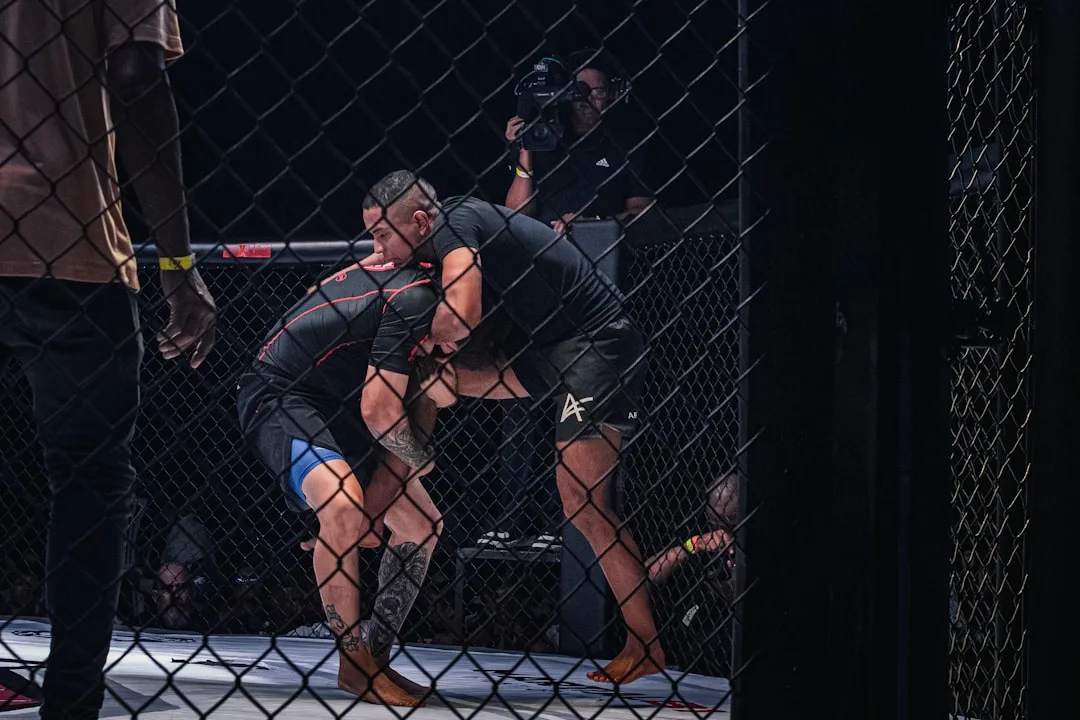
Conor McGregor’s long-awaited return to the UFC brought immediate attention, but it ended almost as soon as it began. Facing Max Holloway in a comeback bout that was billed as a major moment in his career, McGregor saw the night take a sudden turn when an injury halted his momentum and cast fresh doubt over what comes next.
For McGregor, the result adds another difficult chapter to a career that has become defined as much by interruptions as achievements in recent years. Once one of mixed martial arts’ most dominant and marketable stars, he has spent much of the past nine years navigating injuries, inactivity and the pressure of repeated attempts to reestablish himself at the top of the sport.
The return against Holloway was supposed to offer clarity. Instead, it delivered more uncertainty. Any comeback fight carries questions about conditioning, timing and durability, particularly for an athlete coming off long layoffs. In McGregor’s case, those concerns were only magnified by the abrupt ending, leaving fans and analysts again debating whether he can still build a sustained run inside the Octagon.
Holloway, a respected former champion known for volume striking and durability, represented a meaningful test. Even before the injury, the matchup drew interest because it paired McGregor’s star power with an opponent capable of exposing any rust. The bout was seen as a measuring stick not only for McGregor’s physical readiness, but also for whether he could still compete at the elite level that once made him a two-division UFC champion.
Questions return after brief comeback
Instead of answers, the injury leaves the UFC and McGregor facing familiar questions. The most immediate concern is the severity of the setback and how long it could delay another appearance. Beyond that, there is the larger issue of trajectory. Each absence makes a comeback more complicated, especially in a sport where contenders move quickly and title pictures change in months, not years.
McGregor remains one of the biggest names in combat sports, and his ability to draw global interest has not disappeared. But sustained success in the UFC depends on activity, health and consistency. Those elements have been difficult to maintain, and this latest development reinforces how narrow the margin has become between a celebrated return and another stalled rebuild.
For the UFC, McGregor’s status still matters because few fighters command the same mainstream attention. Yet the promotion also has a roster full of active contenders shaping their divisions in real time. If McGregor is sidelined again, the focus will continue shifting toward fighters who are available and advancing.
That leaves McGregor in an all-too-familiar position: a fighter with a towering legacy, considerable drawing power and a future clouded by another physical setback. His comeback was meant to open a new chapter. Instead, it has extended a story of frustration, delay and unanswered questions.
Key questions
- What happened in Conor McGregor’s return fight?
- McGregor’s comeback against Max Holloway was cut short by an injury, preventing a full assessment of his form and raising new questions about his immediate future.
- Why is this setback significant for McGregor?
- The injury adds to a pattern of layoffs and interrupted momentum over recent years, making it harder for McGregor to rebuild a consistent run against active UFC contenders.