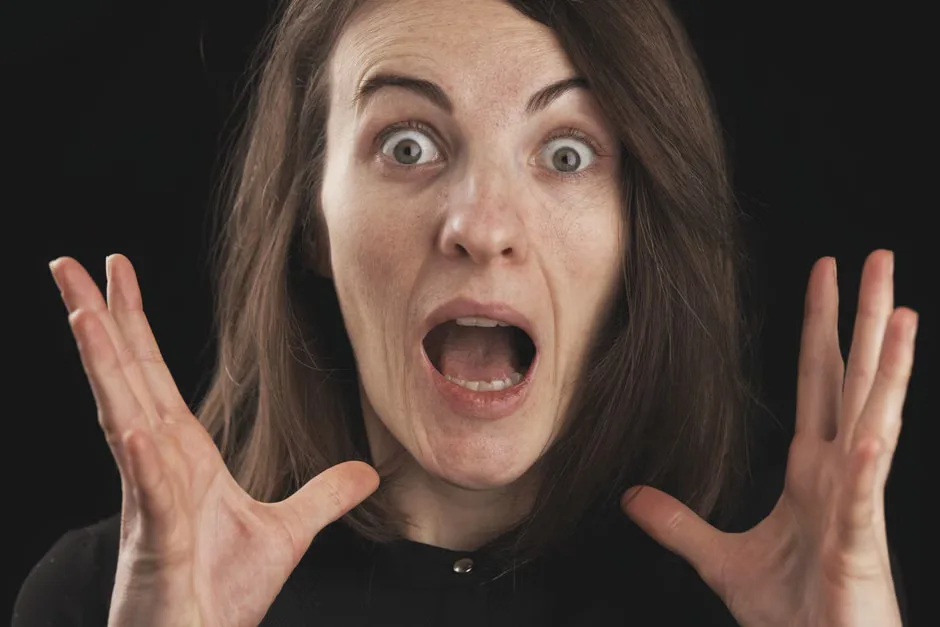
Juliette Lewis apologized to an audience following a recent screening of the new Juliette Lewis Cape Fear production. The actress addressed the crowd after the films intense conclusion left many viewers visibly shaken by the narratives direction.
This new iteration of the story, developed by creator Nick Antosca, seeks to modernize the psychological tension of the original narrative. Recent industry data suggests that psychological thrillers have seen a 15% increase in audience engagement over the last two years (Entertainment Weekly), reflecting a growing appetite for visceral, unsettling cinema.
Following the event, Lewis told the audience, It was so disturbing.
The production represents a bold departure from the 1991 Martin Scorsese version. By focusing on a sinister culture of misinformation, the new project shifts the horror from physical threats to the psychological manipulation of truth. This thematic pivot allows the story to explore how perception is weaponized in a modern social context, making the antagonist's actions feel more insidious and pervasive than in previous versions.
Nick Antosca's decision to overhaul the final sequence indicates a desire to challenge contemporary viewers rather than provide a traditional resolution. This approach transforms the story into a commentary on the fragility of stability in the digital age. By altering the climax, the production forces the audience to confront an unresolved sense of dread, which likely contributed to the reaction that prompted the actress's apology.
The performance of Juliette Lewis adds a layer of volatility to the proceedings, bridging the gap between the classic suspense of the source material and the experimental nature of this new adaptation. Her presence serves as an anchor for the film's more abstract elements, ensuring that the emotional stakes remain high even as the plot ventures into unconventional territory.
Industry analysts expect the film to generate significant debate regarding its ending as it moves toward a wider release. Critics will likely compare the visceral impact of this version against the classic suspense of the previous adaptation, focusing on whether the "disturbing" elements serve the plot or merely seek to shock the viewer.
The original Cape Fear began as a 1962 film based on the novel by John D. MacDonald. The story typically centers on a released convict seeking revenge against the lawyer who failed to protect him. While the 1991 version is remembered for its high-tension atmosphere and iconic performances, this new version prioritizes a psychological breakdown of the characters' realities.
The Impact of Juliette Lewis Cape Fear Performance
Key questions
- Why did Juliette Lewis apologize to the audience?
- She apologized because the content and the final sequence of the new Cape Fear screening were described as disturbing. The intense nature of the film's conclusion left the viewers visibly shaken.
- How does the new Cape Fear differ from the Scorsese version?
- Created by Nick Antosca, this version focuses on a sinister culture of misinformation. It features a significantly altered final sequence that departs from the traditional resolution seen in the 1991 film.