
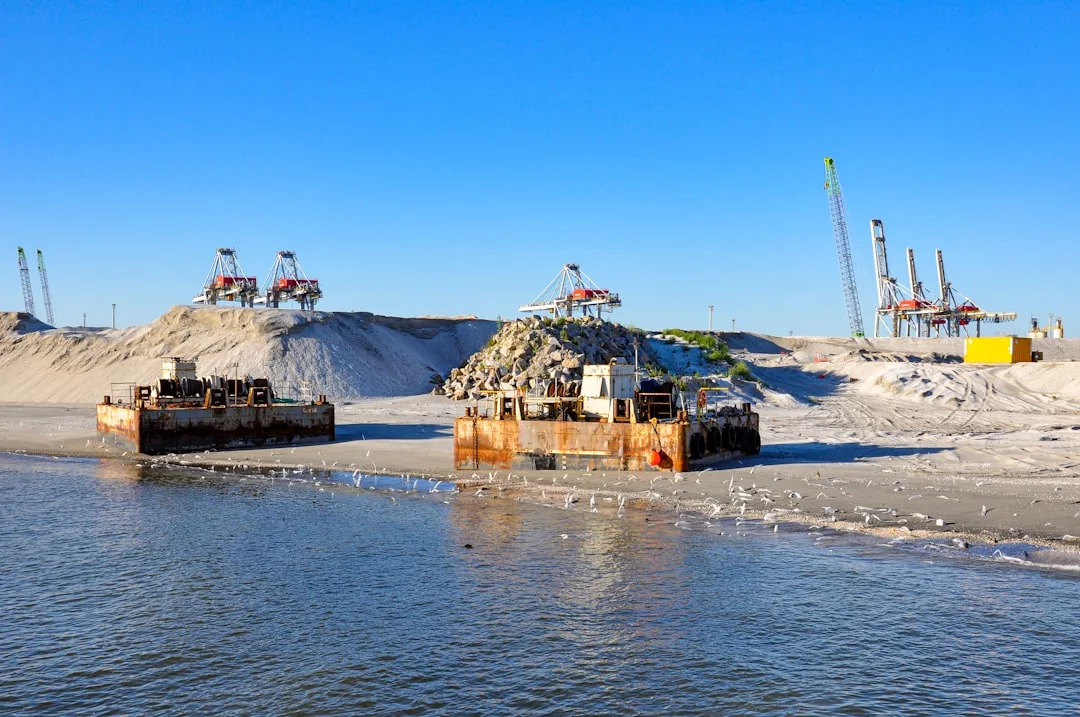
The proposal to extract minerals from the seabed near Marylands Eastern Shore has ignited a fierce debate over the future of one of the nations most important estuaries. Environmental advocates contend the project, if approved, would disrupt delicate ecosystems that have been painstakingly restored over six decades through federal, state, and local conservation efforts.
Critics highlight that the Chesapeake Bay watershed has seen significant improvements in water quality, oyster populations, and submerged aquatic vegetation since the 1960s, thanks to the Clean Water Act and sustained restoration initiatives. A 2023 report from the Chesapeake Bay Program noted that underwater grasses covered over 100,000 acres for the first time in decades, a milestone attributed to reduced nutrient pollution.
This isnt just about digging up sand and gravel — its about reopening wounds we've spent generations healing, said Dr. Lena Torres, marine ecologist at the Chesapeake Bay Foundation. We've seen what happens when industrial activity precedes proper ecological assessment. The bays resilience is real, but its not infinite.
Proponents of the mining project argue it could supply critical materials for renewable energy technologies and reduce reliance on foreign mineral imports. They claim modern extraction techniques minimize environmental impact and that the targeted areas are already disturbed by historical dredging. However, opponents counter that even minimal disturbance in sensitive zones could trigger cascading effects, particularly during spawning seasons for fish and crustaceans.
The Maryland Department of the Environment is currently reviewing the permit application, with public hearings scheduled for later this year. Scientists urge caution, emphasizing that the bay's recovery remains fragile and that any new industrial activity must undergo rigorous, independent environmental review before approval.
Beyond immediate ecological concerns, the debate touches on broader questions about sustainable resource use in the face of climate change. As coastal communities grapple with rising seas and stronger storms, preserving natural buffers like wetlands and oyster reefs becomes increasingly vital for shoreline protection.
Seabed Mining and the Future of Coastal Conservation
The outcome of this proposal could set a precedent for how coastal states balance economic development with environmental stewardship. If approved, it may encourage similar projects along other vulnerable shorelines; if denied, it could reinforce the growing consensus that certain ecosystems are too valuable to risk for short-term gain.
For now, the Eastern Shore stands at a crossroads, where the legacy of six decades of conservation hangs in the balance — waiting to see whether progress will be preserved or paved over in the name of resource extraction.
Key questions
- What is seabed mining and why is it controversial?
- Seabed mining involves extracting minerals like sand, gravel, or metals from the ocean floor. It is controversial because it can disrupt marine habitats, stir up pollutants buried in sediment, and threaten species that rely on the seafloor for feeding or reproduction, especially in ecologically sensitive areas like the Chesapeake Bay.
- How has the Chesapeake Bay improved over the past 60 years?
- Thanks to the Clean Water Act and sustained restoration efforts, the Chesapeake Bay has seen significant gains in water quality, oyster populations, and underwater grasses. In 2023, submerged aquatic vegetation exceeded 100,000 acres for the first time in decades, marking a major milestone in ecosystem recovery.