
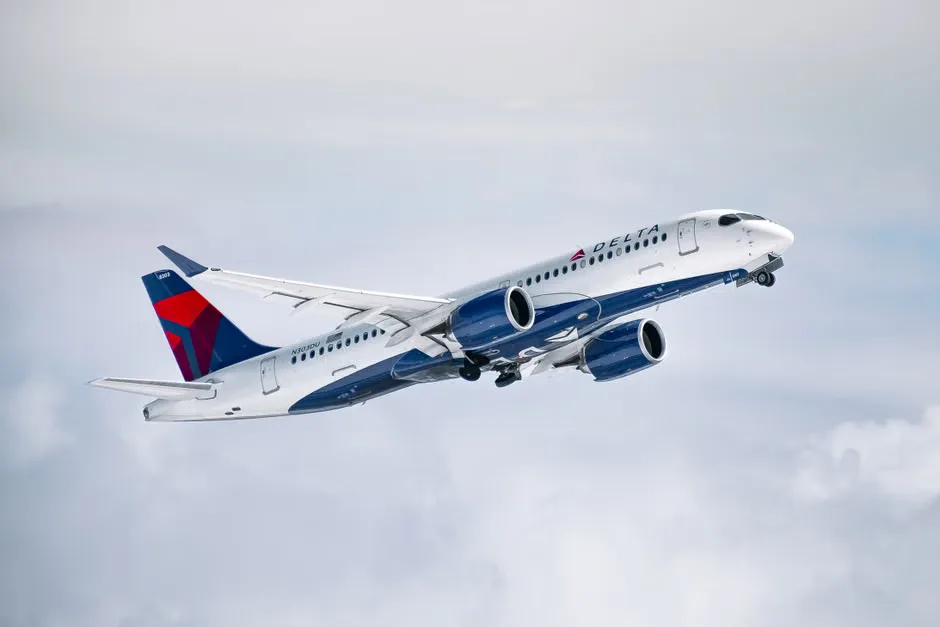
Delta Air Lines expects elevated airfares to remain a feature of the travel market, a trend the carrier says could help put its 2026 profit ambitions within reach despite pressure from higher fuel costs.
CEO Ed Bastian said demand has continued to hold up even as travelers face more expensive tickets, according to reports on the airline’s latest quarterly results. The comments came as Delta posted second-quarter earnings that topped Wall Street expectations and reinstated full-year guidance, a sign that the carrier sees a steadier outlook after months of uncertainty around costs and consumer spending.
Airlines have benefited from strong demand for premium seats, international trips and business travel, while tighter industry capacity has helped support fares. Delta has leaned heavily on higher-end cabins, its loyalty program and partnerships with travel and credit card companies to generate revenue beyond basic economy tickets.
Demand holds up as costs rise
Delta’s latest results underscore a split in the airline business: travelers are still flying, but carriers are paying more to operate. Fuel prices, typically one of the largest and most volatile expenses for airlines, weighed on profit even as sales continued to climb. Labor, maintenance and airport costs have also remained elevated across the industry.
Still, the company’s decision to restore its full-year forecast suggests management believes the revenue environment is strong enough to absorb those pressures. Investors have been watching whether consumers would pull back after years of post-pandemic travel growth and persistent inflation in other household expenses.
So far, Delta’s results point to continued willingness among many passengers to pay for trips, particularly customers buying premium products or long-haul international flights. Those segments tend to be more profitable than domestic leisure travel and have become central to Delta’s strategy.
Capacity discipline supports fares
Bastian’s view that higher airfares could last is tied partly to airline capacity. When carriers add too many seats, fares often fall as airlines compete to fill planes. When growth is more restrained, ticket prices can remain firmer. Several U.S. carriers have moderated expansion plans after facing operational constraints, aircraft delivery delays and uneven profitability on some domestic routes.
For Delta, that backdrop may help its long-term earnings plan. The airline has previously outlined a goal of reaching stronger profitability by 2026, supported by premium revenue, international growth and operational reliability. Higher average fares would give the company another lever as it works toward that target.
The outlook is not without risk. A jump in fuel prices, a slowdown in consumer spending or a weaker corporate travel market could complicate the airline’s forecast. Competition also remains intense, especially on domestic routes where discount carriers pressure prices.
For now, Delta’s message is that the travel rebound has not faded. The company’s stronger-than-expected quarter and renewed guidance indicate that passengers are still booking flights at prices high enough to support revenue growth, even as operating costs remain a challenge for the industry.
Key questions
- Why does Delta expect airfares to stay higher?
- Delta points to resilient travel demand and more disciplined airline capacity, which can help keep ticket prices firmer when fewer seats are added to the market.
- What could affect Delta’s 2026 profit goal?
- Fuel prices, labor and maintenance costs, consumer spending, business travel demand and competition on domestic routes could all influence Delta’s ability to meet its profit target.