Club Soko launches as a bold reinterpretation of the Sokoban puzzle genre, transporting the core mechanic of block-pushing into a dimly lit, beer-splattered nightclub setting. Developed by an independent studio, the game launched this week on PC and consoles, offering players a spatial challenge where every crate becomes a metaphor for nocturnal chaos.
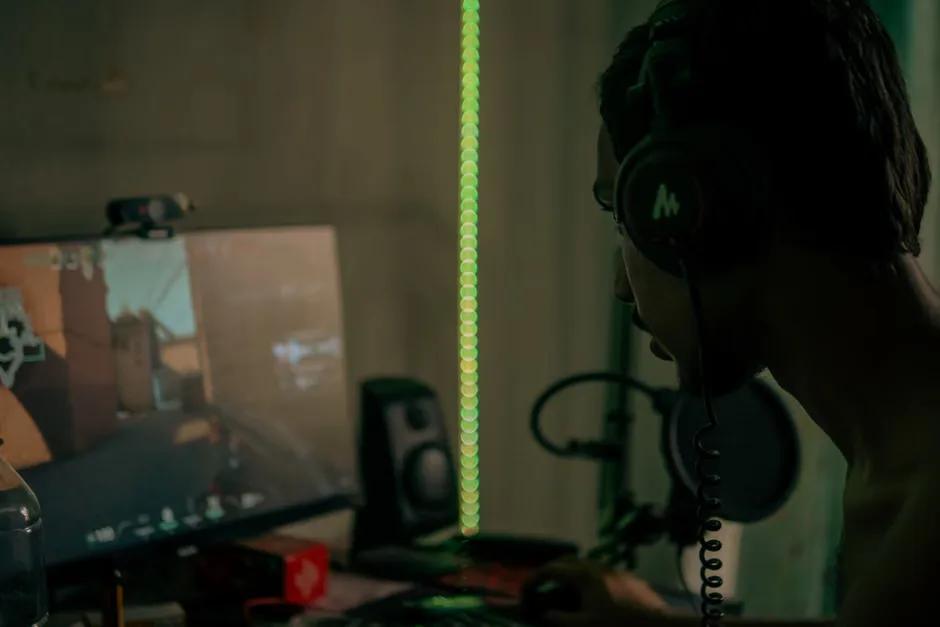
Unlike traditional warehouse-based Sokoban titles, Club Soko replaces crates with cocktail glasses, kegs, and debris, all rendered in a stark, cartoonish art style saturated with shadows and neon accents. According to Eurogamer, the game’s environmental storytelling uses spilled drinks and flickering lights not just as decoration, but as functional elements that heighten the puzzle’s difficulty and thematic cohesion.
The nightclub setting isn’t just a skin — it changes how you think about space and obstruction, said lead designer Lena Voss in a recent interview. You’re not just moving objects; you’re navigating the aftermath of a night out, where every bottle and spill tells a story.
This thematic integration elevates Club Soko beyond a mere reskin. The puzzles demand precise spatial reasoning, but the context adds narrative weight: pushing a keg might clear a path, yet also risk triggering a slip hazard from virtual beer puddles. The game’s difficulty curve mirrors the escalating disorientation of a long night, with later levels introducing moving staff, strobe-light timing puzzles, and locked VIP zones requiring specific block arrangements.
Analysis shows that Club Soko succeeds where many puzzle games falter — by marrying mechanics to meaning. The nightclub isn’t arbitrary; it reflects the Sokoban theme of labor and repetition, reframed through the lens of service industry exhaustion and nocturnal absurdity. This approach aligns with a growing trend in indie puzzle design that uses setting to deepen player engagement, as seen in titles like Baba Is You and The Witness.
Club Soko’s Design Philosophy
Forward-looking, the developers have hinted at post-launch content exploring different nightlife scenarios — from rooftop bars to after-hours kitchens — each promising new mechanics tied to environmental storytelling. Updates may include cooperative modes where two players manage simultaneous block-pushing shifts, mirroring real-world club staff coordination.
Evergreen in its core appeal, Club Soko taps into the timeless satisfaction of Sokoban: the quiet triumph of order restored through careful planning. Yet it wraps this classic loop in a contemporary, culturally aware package that invites players to reflect not just on how they solve puzzles, but where and why they’re solving them.
Key questions
- What is Club Soko and how does it relate to Sokoban?
- Club Soko is a puzzle game that reimplements the classic Sokoban mechanic of pushing blocks to designated targets, but sets the action in a stylized nightclub environment. Instead of crates in a warehouse, players maneuver kegs, glasses, and debris through beer-splattered floors and dim lighting, combining spatial challenge with thematic storytelling.
- Is Club Soko available on multiple platforms and who developed it?
- Club Soko was released on PC and consoles and developed by an independent studio. According to Eurogamer’s coverage, the game launched recently and features design input from lead designer Lena Voss, who emphasized how the nightclub setting influences puzzle design and player perception of space and obstruction.