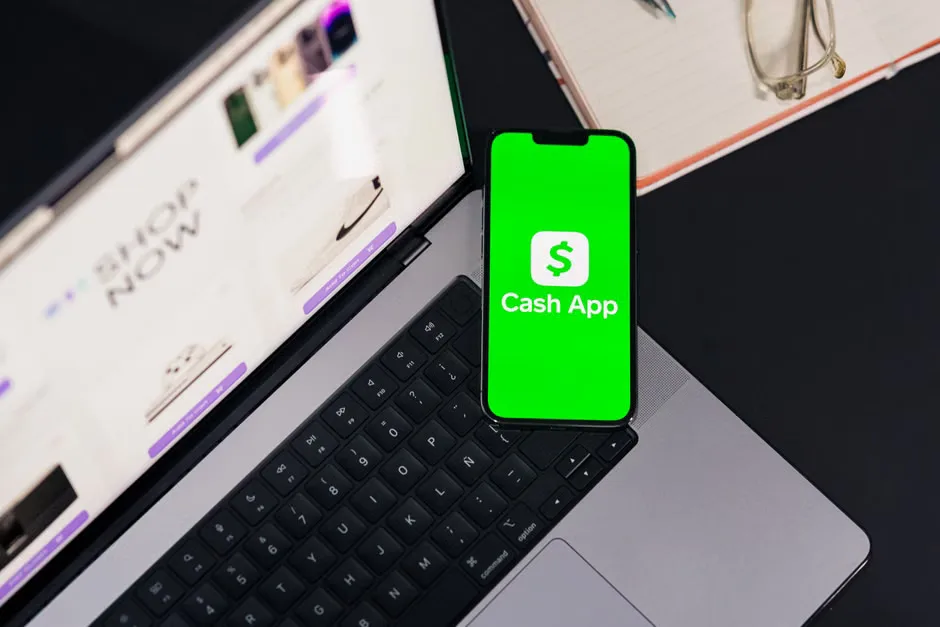
Block has agreed to pay $45 million to settle a multistate investigation into Cash App, resolving allegations that the company misled consumers about the level of fraud protection available on the popular peer-to-peer payments platform.
Attorneys general from 46 states said their probe found that Block promoted Cash App as offering bank-like safeguards, including advanced fraud detection, while the service did not consistently provide protections comparable to those available through traditional financial institutions. The officials said those representations could have led users to believe their money and accounts were more protected than they were.
The settlement, announced by state officials, requires Block to pay the participating states and make changes to how it handles consumer complaints, fraud reports and account security disclosures. The agreement closes a coordinated enforcement effort focused on whether Cash App’s practices kept pace with the risks faced by users of fast-moving digital payment apps.
Cash App, which is owned by Block, allows consumers to send money, receive payments, buy stocks and bitcoin, and access debit card services. Its growth has made it one of the most recognizable financial technology products in the U.S., especially among younger consumers and people who use mobile-first banking tools.
Regulators focus on fintech protections
The state attorneys general said consumers reported problems involving unauthorized transfers, scams and difficulty resolving disputed transactions. Their investigation centered on whether Cash App’s public claims about security and fraud prevention matched the protections users actually received when they reported suspicious activity.
Consumer protection officials have increasingly scrutinized financial technology companies as payment apps become a routine substitute for checking accounts, cash and credit cards. Unlike banks, some payment platforms are not subject to the same regulatory framework, and protections can vary depending on how money is stored, transferred or linked to outside accounts.
The case also highlights a broader challenge for regulators: Users often treat payment apps like bank accounts, even when the legal and operational protections differ. State officials said companies that market financial services must be clear about what safeguards are available and what steps consumers must take if fraud occurs.
Block did not admit wrongdoing as part of the settlement, a common feature of such agreements. The company has previously said it invests in security systems and customer support to detect suspicious activity and help protect Cash App users.
The agreement is the latest regulatory matter involving major consumer finance and technology platforms as officials press companies to strengthen fraud response systems. For users, the settlement is a reminder to enable security features, monitor account activity and be cautious when sending money, since payments made through mobile apps can be difficult to reverse once completed.
Key questions
- Why did Block agree to a $45 million Cash App settlement?
- Block agreed to settle allegations by 46 state attorneys general that Cash App misled users about fraud protections and bank-like safeguards. The company did not admit wrongdoing.
- Does Cash App offer the same protections as a bank account?
- Payment apps can offer security tools, but they may not provide the same protections as traditional bank accounts in every situation. Users should review account terms, enable security features and report suspicious activity quickly.