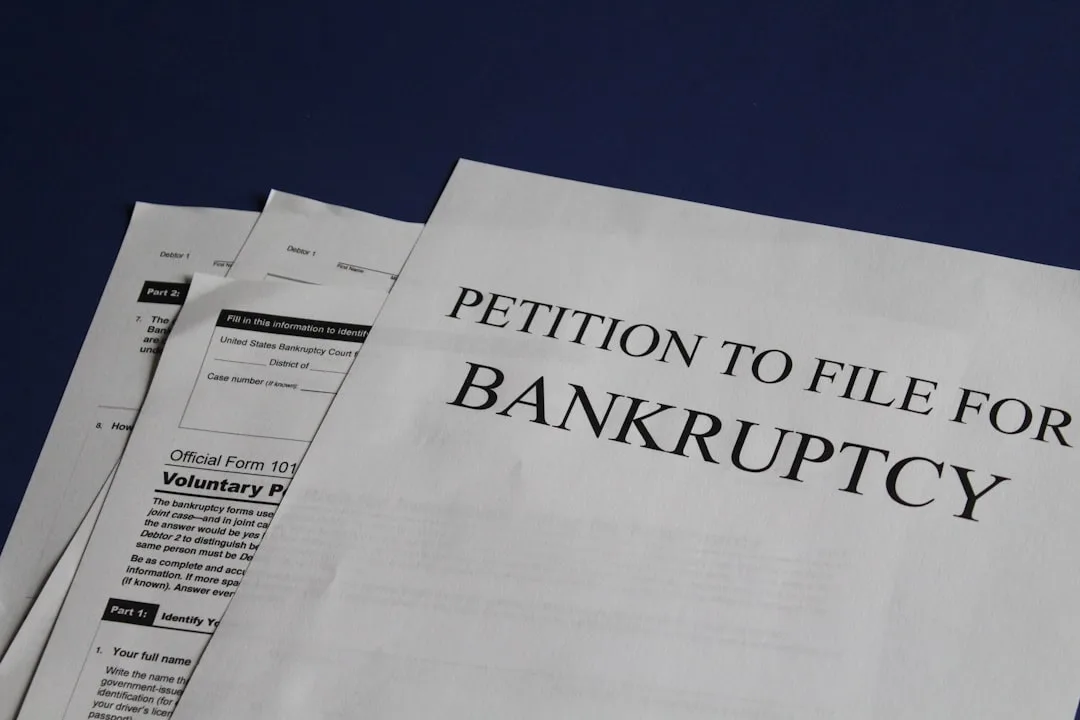
You open your mailbox and find a thick envelope from the local courthouse. Inside is a summons and complaint—you’re being sued by a debt collector. Panic sets in. But here’s the truth: you can handle this without a lawyer. Many people successfully respond to debt collection lawsuits on their own, and you can too. This step-by-step guide shows you exactly how.
Understand What You’re Up Against
A debt collection lawsuit is a civil case where a creditor or debt buyer claims you owe money. The summons tells you the deadline to respond (usually 20–30 days). If you don’t answer in time, the court will enter a default judgment against you, allowing the collector to garnish wages or freeze bank accounts.
Step 1: Don’t Ignore the Lawsuit
Ignoring a lawsuit is the worst thing you can do. Even if you don’t think you owe the debt or can’t pay, you must respond. A default judgment is much harder to fight later. Your response buys you time and gives you a chance to negotiate or dispute the amount.
Step 2: Check Your State’s Rules
Every state has its own civil procedure rules. Search for "[your state] rules of civil procedure" or "how to answer a civil lawsuit in [state]." Look for the deadline, format requirements, and filing fee (or fee waiver application).
Step 3: Gather Information
Read the complaint carefully. It should state the debt amount, original creditor, and account number. Collect any documents you have: credit reports, payment records, letters from the collector, or proof of identity theft (if applicable).
Step 4: Draft Your Answer
Your answer is a written response to each allegation in the complaint. You can either admit, deny, or state you lack sufficient information to admit or deny. Most people deny everything unless they are sure a fact is true.
Use a template for your state. Common elements:
- Case caption (court name, parties, case number)
- Numbered paragraphs matching the complaint’s allegations
- Your responses (deny, admit, etc.)
- Signature and date
Sample Response Paragraph
"Defendant denies the allegations contained in Paragraph 1 of Plaintiff’s Complaint and demands strict proof thereof."
Step 5: Include Affirmative Defenses
Affirmative defenses are legal reasons why you shouldn’t have to pay, even if the debt is yours. List them in your answer. Some common ones:
- Statute of limitations – too much time has passed since you last paid the debt.
- Identity theft – someone else opened the account.
- Debt already paid – you have proof of payment.
- Improper service – you weren’t properly served with the lawsuit.
- Failure to state a claim – the complaint doesn’t prove you owe the debt.
You can also raise counterclaims if the collector violated the Fair Debt Collection Practices Act (e.g., harassing calls, false threats).
Step 6: File Your Answer with the Court
Make at least two copies of your answer (one for the court, one for yourself, one for the plaintiff). File the original with the court clerk. You may need to pay a filing fee (typically $50–$300). If you can’t afford it, ask for a fee waiver application (Form AO 240, or your state’s equivalent).
After filing, you must “serve” the answer on the plaintiff’s attorney (or the collector). Often you can mail it with a proof of service form. The clerk can help you find the correct form.
Step 7: What Happens Next?
After you file, the case proceeds to the discovery phase or a pre-trial conference. The collector may:
- Dismiss the case if you raise strong defenses (like expired statute of limitations).
- Offer a settlement for less than the full amount.
- Proceed to trial (rare for small debts).
Tips for Appearing in Court
If you must go to court, dress neatly, arrive early, and bring all your documents. Be polite to the judge. If you’re nervous, practice what you’ll say. Remember, the collector bears the burden of proof—they must show you owe the debt.
Frequently Asked Questions
What if I miss the deadline to answer?
You can file a motion to set aside the default judgment, but you’ll need a good reason (like improper service, illness, or excusable neglect). Act quickly and file the motion with your answer.
Can I negotiate after answering?
Yes. Many collectors prefer to settle rather than go to trial. You can offer a lump sum (often 30–50% of the debt) or a payment plan. Get any settlement in writing before paying.
What is an affirmative defense?
An affirmative defense is a legal reason you shouldn’t have to pay, even if the debt is yours. For example, the statute of limitations expired, or the debt was discharged in bankruptcy.
Do I need to hire a lawyer at any point?
You are not required to hire a lawyer. However, if the debt is large, the case is complicated, or you face wage garnishment, consult with a legal aid clinic or a low-cost attorney. This guide is for informational purposes only.
Key Takeaways
- Never ignore a debt collection lawsuit; respond before the deadline to avoid a default judgment.
- Draft a written answer denying or admitting each allegation, and include any affirmative defenses you may have.
- File the answer with the court and mail a copy to the plaintiff’s attorney.
- Consider settlement offers, but only after you have responded to the lawsuit.
- If you need help, contact a legal aid office or a consumer law attorney.
Disclaimer: This article provides general educational information and is not personalized legal, financial, or medical advice. Laws vary by state and situation. For advice specific to your case, consult a licensed attorney.