
Amanda Knox has spoken out in defence of a comedy show featured at the Edinburgh Fringe Festival, rejecting claims that the performance trivialises violence related to the 2007 murder of Meredith Kercher. Knox, who was convicted and later acquitted of the crime, emphasized that she does not downplay the seriousness of Kercher's death.
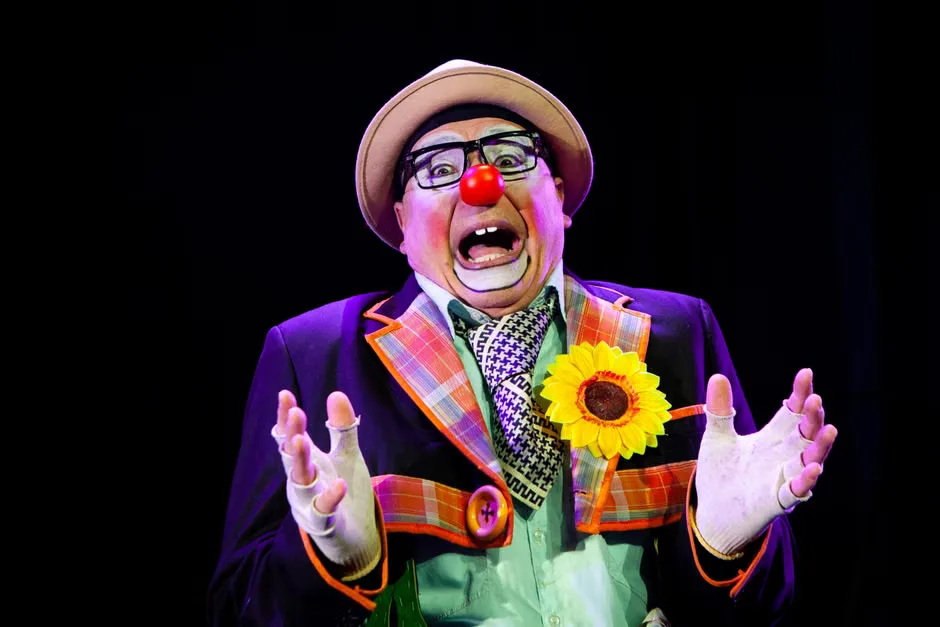
The show in question, which blends satire and personal narrative, has drawn criticism from some who argue it risks making light of a tragic event. Knox addressed these concerns directly, stating that the intent behind the performance is not to mock or minimise the loss but to engage with complex themes of justice, media scrutiny, and personal resilience.
I take the gravity of what happened to Meredith extremely seriously, Knox said in a statement. Nothing about this performance is intended to trivialise her death or the pain it caused her family and loved ones.
Legal experts note that while artistic expression is protected, public performances involving real criminal cases often face scrutiny over tone and intent. Dr. Emily Grant, a media law lecturer at the University of Edinburgh, observed that the line between satire and insensitivity can be subjective, particularly when real victims are involved, but context and framing are key to interpretation.
Supporters of the show argue that it uses comedy as a tool to critique media sensationalism and the societal fascination with true crime narratives. They contend that shutting down such discussions risks silencing important conversations about how violence is portrayed and consumed in popular culture.
Amanda Knox Reflects on Public Perception and Healing
Knox has spent years navigating life after a high-profile legal case that attracted global attention. She has previously spoken about the emotional toll of being at the centre of an international media storm and the ongoing process of rebuilding her identity beyond the case.
In recent interviews, she has expressed a desire to move forward while acknowledging the permanence of the past. Healing doesn’t mean forgetting, she remarked. It means finding a way to carry what happened without letting it define every moment of your life.
The Edinburgh Fringe Festival, known for its open-access policy and diverse programming, has hosted numerous performances that explore difficult social and political themes. Festival organisers maintain that artistic freedom includes the right to confront uncomfortable subjects, provided they do not violate hate speech or harassment laws.
As the festival continues, debate over the show is expected to persist, reflecting broader tensions between artistic expression, memorialisation, and public memory. Knox’s involvement adds a personal dimension to the discourse, highlighting how those directly affected by crime continue to engage with its cultural aftermath.
Key questions
- Why is Amanda Knox defending the Fringe comedy show?
- Amanda Knox is defending the show because she believes it does not trivialise the murder of Meredith Kercher, despite criticism that it risks making light of a tragic event. She has stated she takes the gravity of Kercher's death extremely seriously and that the performance is not intended to mock or minimise the loss.
- What was the outcome of Amanda Knox's legal case related to Meredith Kercher's death?
- Amanda Knox was initially convicted in 2009 of the murder of Meredith Kercher, but her conviction was overturned in 2011. After a retrial and further appeals, she was definitively acquitted by Italy's Supreme Court in 2015, ending a lengthy legal process that drew international attention.