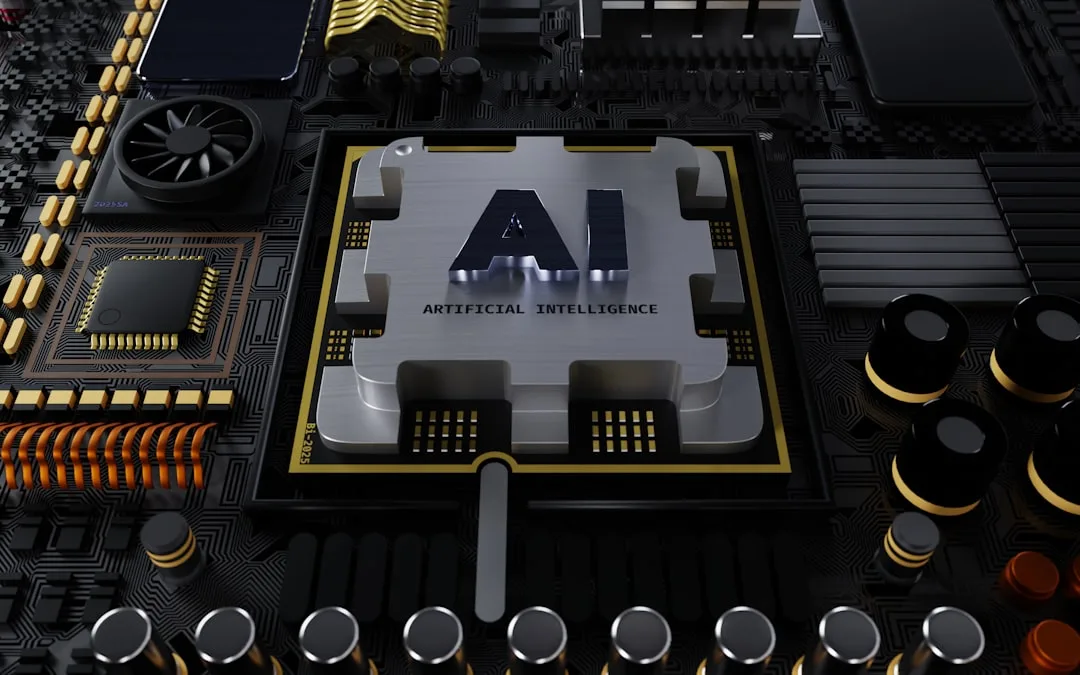

The question hanging over the artificial intelligence boom is no longer whether the technology is powerful. It is whether the spending behind it can deliver enough value to justify the scale of the investment.
Tech companies, venture investors and corporate buyers have spent the past two years racing to build, buy and deploy AI systems. That push has lifted chipmakers, fueled data center expansion and reshaped product road maps across the technology sector. But as costs rise, the debate over return on investment has returned with greater urgency.
The issue is often framed as a multitrillion-dollar question because AI-related spending is stretching across hardware, cloud infrastructure, model development, enterprise software and energy needs. The capital required is enormous. So are the expectations. Companies backing the build-out are betting that AI will increase productivity, automate routine work, create new products and support new business models.
Investors want clearer signals
For now, the evidence is mixed. Some software companies say AI features are helping them keep customers, raise prices or improve internal efficiency. Many large businesses are testing AI tools in customer service, coding, sales, finance and legal work. But widespread gains are still uneven, and some executives remain cautious about moving from pilot programs to full-scale deployment.
That gap matters because the cost curve is steep. Advanced AI models require expensive chips, specialized engineering talent and large amounts of computing power. Cloud providers are committing billions of dollars to data centers to meet demand. Startups are also under pressure to show that their products can produce durable revenue, not just excitement among early adopters.
The return-on-investment question is especially important for public markets. Investors have rewarded companies seen as central to the AI build-out, but those valuations depend on confidence that demand will keep growing. If customers slow purchases or fail to see measurable gains, the market could reassess how quickly AI will translate into profits.
Corporate adoption remains the test
Businesses are approaching AI with both interest and caution. Generative AI tools can summarize documents, write code, analyze data and assist with customer interactions. Yet companies must also manage concerns around accuracy, security, copyright, compliance and the risk of exposing sensitive information.
That means adoption is likely to vary by industry and use case. Some areas, such as software development and internal knowledge management, may show faster payoffs. Others may require more oversight, integration and training before returns are clear. The companies that benefit most may be those that pair AI tools with changes in workflow rather than simply adding chatbots to existing systems.
The current debate does not mean AI is a passing trend. It does suggest the industry is moving from a phase driven by possibility to one shaped by proof. The next stage will be judged less by product demos and more by revenue growth, cost savings, margins and customer retention.
For the technology sector, the stakes are high. If AI spending produces broad productivity gains, it could support years of growth across software, semiconductors and cloud services. If returns fall short, companies may face pressure to slow investment, consolidate projects or rethink how quickly the technology can transform the economy.
Key questions
- Why is AI return on investment under scrutiny?
- Companies are spending heavily on chips, data centers, software and talent, and investors want clearer evidence that those costs will produce revenue growth, productivity gains or lasting savings.
- What will determine whether AI spending pays off?
- The key tests will be broad enterprise adoption, measurable productivity improvements, stronger margins and the ability of AI products to generate durable customer demand.